Planfit Logo
  • Exercises
  • Community
  • Blog
  • Sign in
Planfit Logo

Copyright ⓒ 2026 Planfit Inc.

InstagramReddit
Exercise Guide
AI Workout Generator
Free Workout Plans
Privacy policy
Terms of Use
Blog
Planfit Logo
  • Exercises
  • Community
  • Blog
  • Sign in

Dumbbell Prone T Raise

Dumbbell Prone T Raise gif
Targets: Lower trap, Rear delt

About

Dumbbell T-raises strengthen your upper back and rear shoulders. They target your traps and rhomboids, helping stabilize your upper back and shoulder line.

How to Dumbbell Prone T Raise

Starting Position

1. Lie face down on the floor and hold a dumbbell in each hand.

2. Lower your arms naturally to the sides of your body, with your palms facing each other.

3. Keep your body straight and your gaze directed towards the floor.

Proper Form

1. Keep your arms straight and lift them to the sides to form a T shape.

2. Contract the upper back by feeling as if you are bringing your shoulder blades together.

3. Slowly lower your arms back to the starting position.

4. Maintain stability in your upper body while repeating the movement.

Breathing Technique

Exhale when you lift your arms, and inhale when you return to the starting position.

Precautions

1. Avoid using excessively heavy dumbbells and use a manageable weight.

2. Be careful not to put excessive strain on your shoulders and neck.

3. Perform the exercise slowly without momentum to prevent shoulder and back injuries.

From the Community

Share your experience, ask questions, and get tips from other athletes.

Dumbbell Prone T Raise Community

Join the Community →
Dumbbell Prone T Raise Related Reading

  • 3 days a week is enough — and a J Strength Cond Res RCT of 32 athletes proves it works
    Numbers Don't Lie

    3 days a week is enough — and a J Strength Cond Res RCT of 32 athletes proves it works

    Wondering how many days a week to work out? 3 sessions gets the job done — per an RCT in J Strength Cond Res and exercise guideline reviews.

  • Rep range almost doesn't matter for muscle growth — what 4 RCTs actually say
    Numbers Don't Lie

    Rep range almost doesn't matter for muscle growth — what 4 RCTs actually say

    5 reps or 30 reps — it barely matters for hypertrophy. Here's what the evidence from 4 recent RCTs actually says about rep ranges and muscle growth.

  • Time under tension does matter — just not the way you think
    What Actually Matters

    Time under tension does matter — just not the way you think

    TUT isn't the main driver of muscle size — but it unlocks real aerobic and tendon adaptations. Here's what the research actually shows, per a 2022 review and RCT.

  • Soreness is not a measure of muscle growth.
    Myths Busted

    Soreness is not a measure of muscle growth.

    Feeling wrecked after leg day doesn't mean you're building more muscle. Here's what the science actually says — including a 2026 meta-analysis of 49 studies.

  • Mind-Muscle Connection Matters — But Only Below 60% of Your 1RM
    What Actually Matters

    Mind-Muscle Connection Matters — But Only Below 60% of Your 1RM

    Focusing on the target muscle really does boost hypertrophy and EMG activation — but the effect vanishes at heavy loads, according to 4 controlled studies.

  • Squat vs. leg press: the muscle gains are the same when volume matches, per a 2025 RCT of 70 women
    What Actually Matters

    Squat vs. leg press: the muscle gains are the same when volume matches, per a 2025 RCT of 70 women

    Squat vs. leg press: which builds more muscle? When sets and reps are matched, growth is virtually identical — according to a 2025 RCT of 70 trained women.

Curious about a Back workout plan that includes the Dumbbell Prone T Raise

Dumbbell Prone T Raise Alternatives

Deadlift

Deadlift

Barbell Row

Barbell Row

More

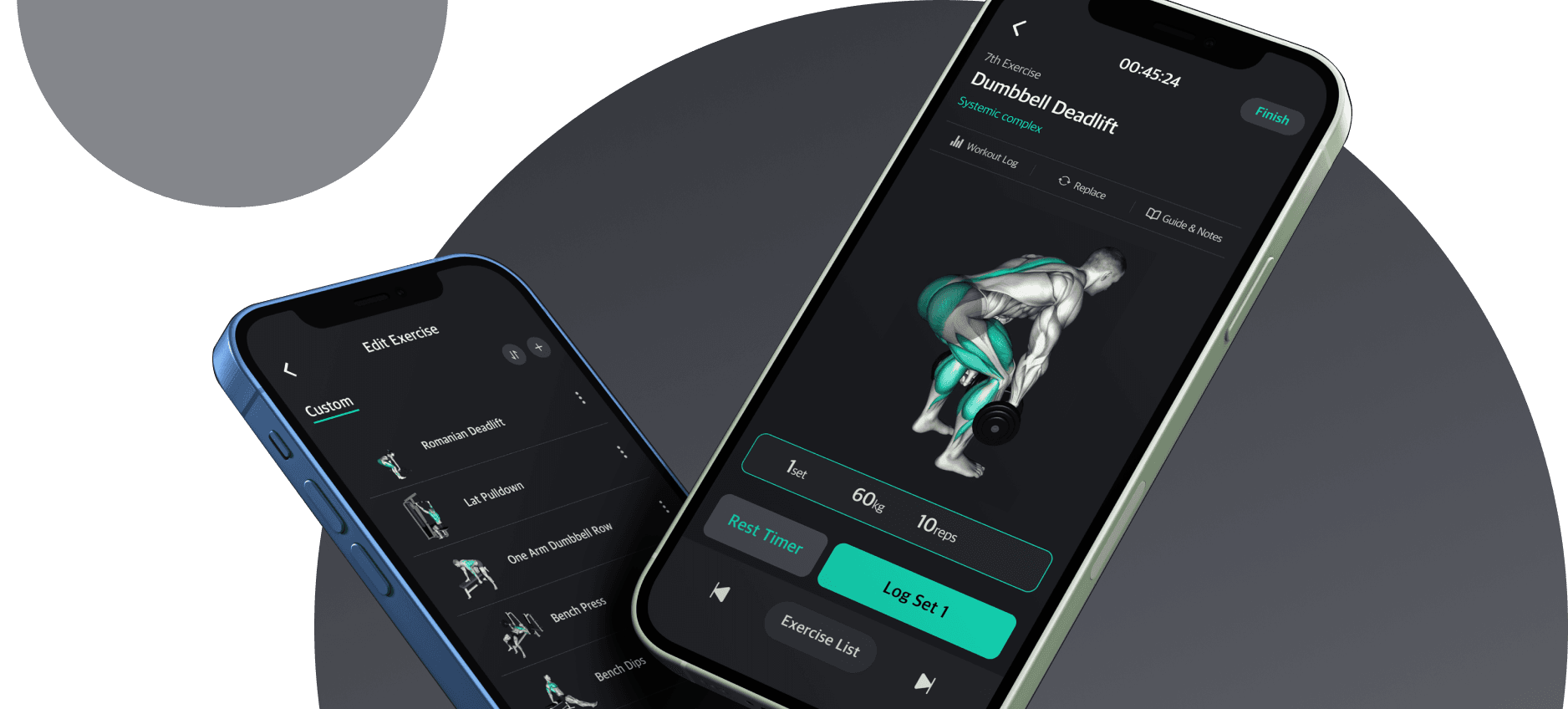
Get Personalized Plans
and More detailed guidance with Planfit
Banner Image
Planfit Logo

Copyright ⓒ 2026 Planfit Inc.

InstagramReddit
Exercise Guide
AI Workout Generator
Free Workout Plans
Privacy policy
Terms of Use
Blog