Planfit Logo
  • Exercises
  • Community
  • Blog
  • Sign in
Planfit Logo

Copyright ⓒ 2026 Planfit Inc.

InstagramReddit
Exercise Guide
AI Workout Generator
Free Workout Plans
Privacy policy
Terms of Use
Blog
Planfit Logo
  • Exercises
  • Community
  • Blog
  • Sign in

Ring Pull Up

Wide back
Ring Pull Up gif
Targets: Lats

About

Pull yourself up using fixed rings. You’ll use your back and core to boost stability and balance. It’s a bit tough for beginners, but regular practice really builds upper body strength.

How to Ring Pull Up

Starting Position

1. Please hold the ring slightly wider than shoulder width.

2. Keep your chest out and slightly squeeze your shoulder blades together.

Proper Form

1. Pull your arms to bring your chest closer to the ring.

2. While gathering your shoulder blades inward and downward, naturally pull your arms.

3. Open your chest and slowly return to the starting position.

Breathing Technique

Exhale when pulling your arms, and inhale when extending your arms.

Precautions

1. Maintain your posture so it doesn't get disrupted when you come down.

2. Go up with the feeling of moving your shoulder blades rather than using your arm strength.

From the Community

Share your experience, ask questions, and get tips from other athletes.

Ring Pull Up Community

Join the Community →

Ring Pull Up Related Reading

  • Cardio before or after weights: why the order depends on your goal
    What Actually Matters

    Cardio before or after weights: why the order depends on your goal

    Do cardio before or after lifting? The answer depends entirely on your goal. Here's what the interference effect and a 2024 meta-analysis of 23 RCTs actually say.

  • Mechanical tension is the primary driver of muscle growth — and 5 peer-reviewed reviews in Sports Med explain exactly why
    What Actually Matters

    Mechanical tension is the primary driver of muscle growth — and 5 peer-reviewed reviews in Sports Med explain exactly why

    Mechanical tension isn't just one factor in muscle growth — it's the main one. Here's what the science actually says, across 5 reviews in top sports-science journals.

  • RPE vs RIR: the number that tells you exactly how hard to push — backed by 4 RCTs
    Numbers Don't Lie

    RPE vs RIR: the number that tells you exactly how hard to push — backed by 4 RCTs

    RPE and RIR are two ways to measure effort in real time. Here's what 4 RCTs say about which one works, when, and for whom.

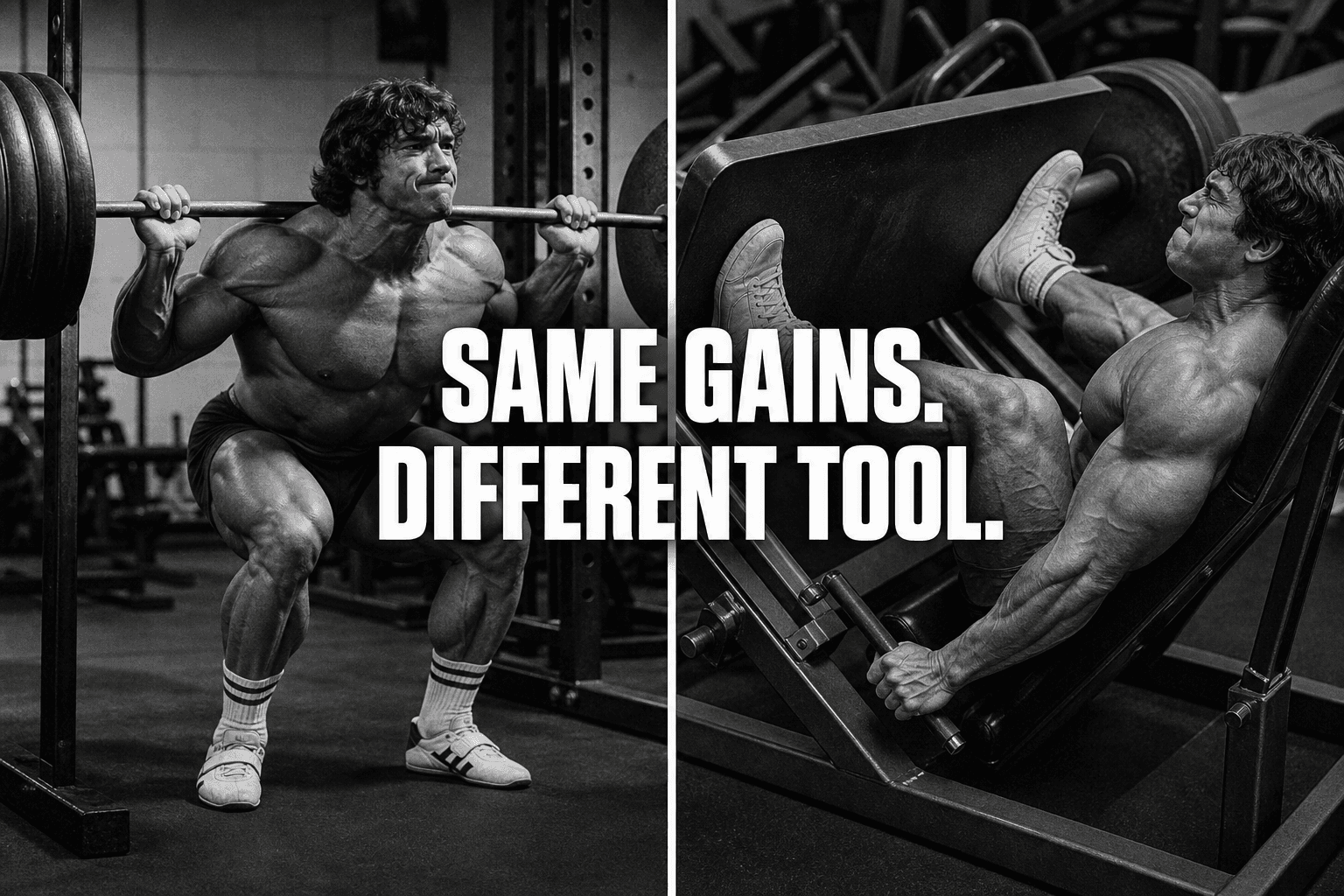
  • Squat vs. leg press: the muscle gains are the same when volume matches, per a 2025 RCT of 70 women
    What Actually Matters

    Squat vs. leg press: the muscle gains are the same when volume matches, per a 2025 RCT of 70 women

    Squat vs. leg press: which builds more muscle? When sets and reps are matched, growth is virtually identical — according to a 2025 RCT of 70 trained women.

  • Progressive Overload Is the Only Variable That Actually Guarantees Muscle Growth.
    What Actually Matters

    Progressive Overload Is the Only Variable That Actually Guarantees Muscle Growth.

    Adding weight isn't the only way to progressively overload — reps work just as well, according to a 2024 RCT and an ACSM overview of 137 systematic reviews.

  • How Many Sets of Biceps Per Week? 10 Is Probably Your Ceiling
    Numbers Don't Lie

    How Many Sets of Biceps Per Week? 10 Is Probably Your Ceiling

    More biceps sets doesn't mean more growth. Two RCTs show 5–10 weekly sets match or beat 15–32 — here's the number that actually matters.

Curious about a Back workout plan that includes the Ring Pull Up

Ring Pull Up Alternatives

Pull Up

Pull Up

Lat Pulldown

Lat Pulldown

More

Ring Pull Up vs

  • Ring Pull Up vs Deadlift
  • Ring Pull Up vs Barbell Row
  • Ring Pull Up vs Pull Up

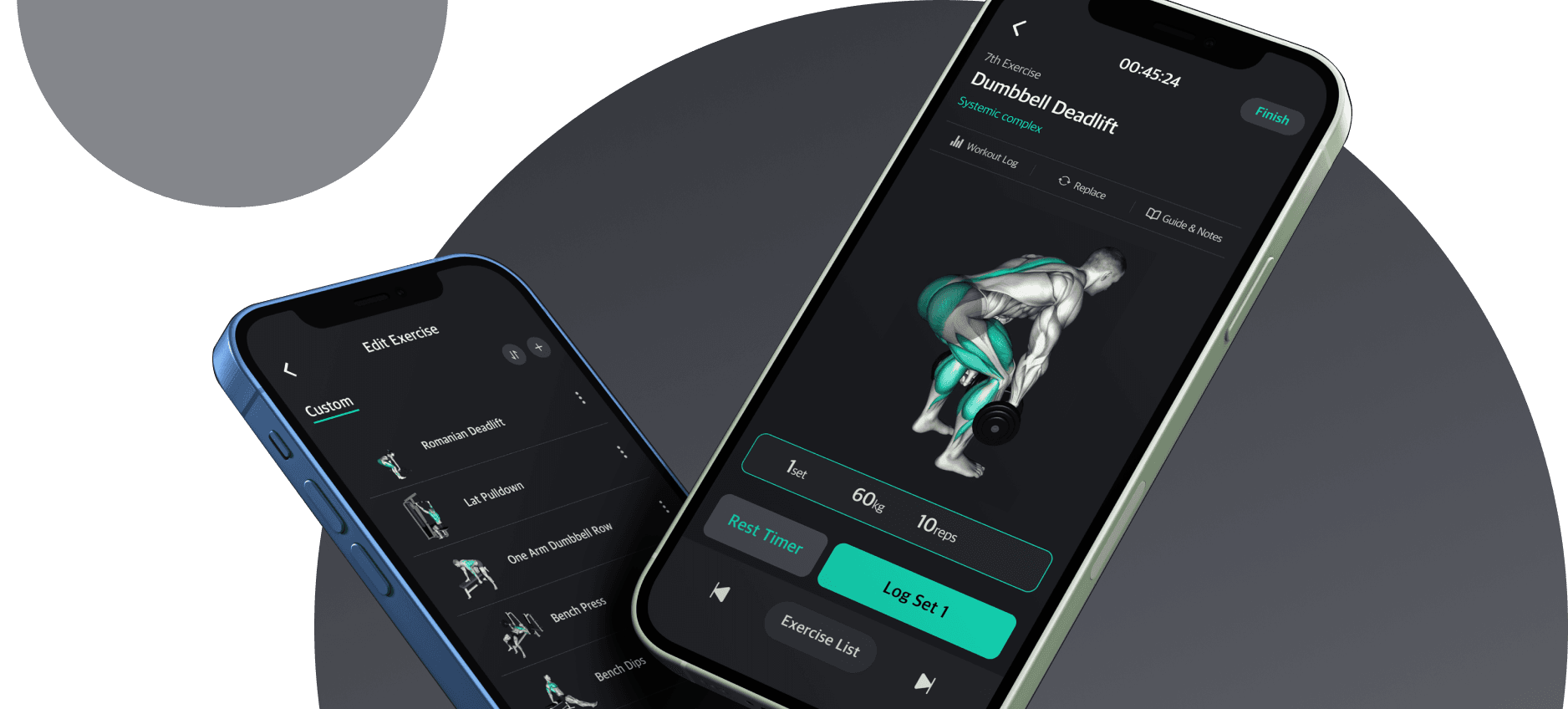
Get Personalized Plans
and More detailed guidance with Planfit
Banner Image
Planfit Logo

Copyright ⓒ 2026 Planfit Inc.

InstagramReddit
Exercise Guide
AI Workout Generator
Free Workout Plans
Privacy policy
Terms of Use
Blog