Planfit Logo
  • Exercises
  • Community
  • Blog
  • Sign in
Planfit Logo

Copyright ⓒ 2026 Planfit Inc.

InstagramReddit
Exercise Guide
AI Workout Generator
Free Workout Plans
Privacy policy
Terms of Use
Blog
Planfit Logo
  • Exercises
  • Community
  • Blog
  • Sign in

Reverse Plank

Back, core
Reverse Plank gif

About

Keep your arms in a straight line so that you don't strain your shoulders and focus on your core so that your hips don't touch the floor!

How to Reverse Plank

Starting Position

1. Please sit with your legs stretched out on the floor.

2. Place your hands on the floor about a fist's distance away from your hips.

Proper Form

1. Sit with your knees straight and place your hands behind your shoulders, with your fingertips facing forward for support.

2. In that position, lift your hips so that your head, abdomen, and legs form a straight line.

3. Be careful not to tilt your head back and maintain tension in your whole body for the given time.

Breathing Technique

Exhale when you lift your hips and inhale when you lower your body.

Precautions

Keep your shoulders and back straight while lifting your body, and engage your core.

From the Community

Share your experience, ask questions, and get tips from other athletes.

Reverse Plank Community

Join the Community →

Reverse Plank Related Reading

  • How Many Sets of Biceps Per Week? 10 Is Probably Your Ceiling
    Numbers Don't Lie

    How Many Sets of Biceps Per Week? 10 Is Probably Your Ceiling

    More biceps sets doesn't mean more growth. Two RCTs show 5–10 weekly sets match or beat 15–32 — here's the number that actually matters.

  • 10 sets per muscle group per week is probably enough — here's the number that actually matters.
    Numbers Don't Lie

    10 sets per muscle group per week is probably enough — here's the number that actually matters.

    Most lifters chase 20+ sets per muscle group. The research says you can grow on far less — and more isn't always better, according to a 2024 Sports Med meta-analysis.

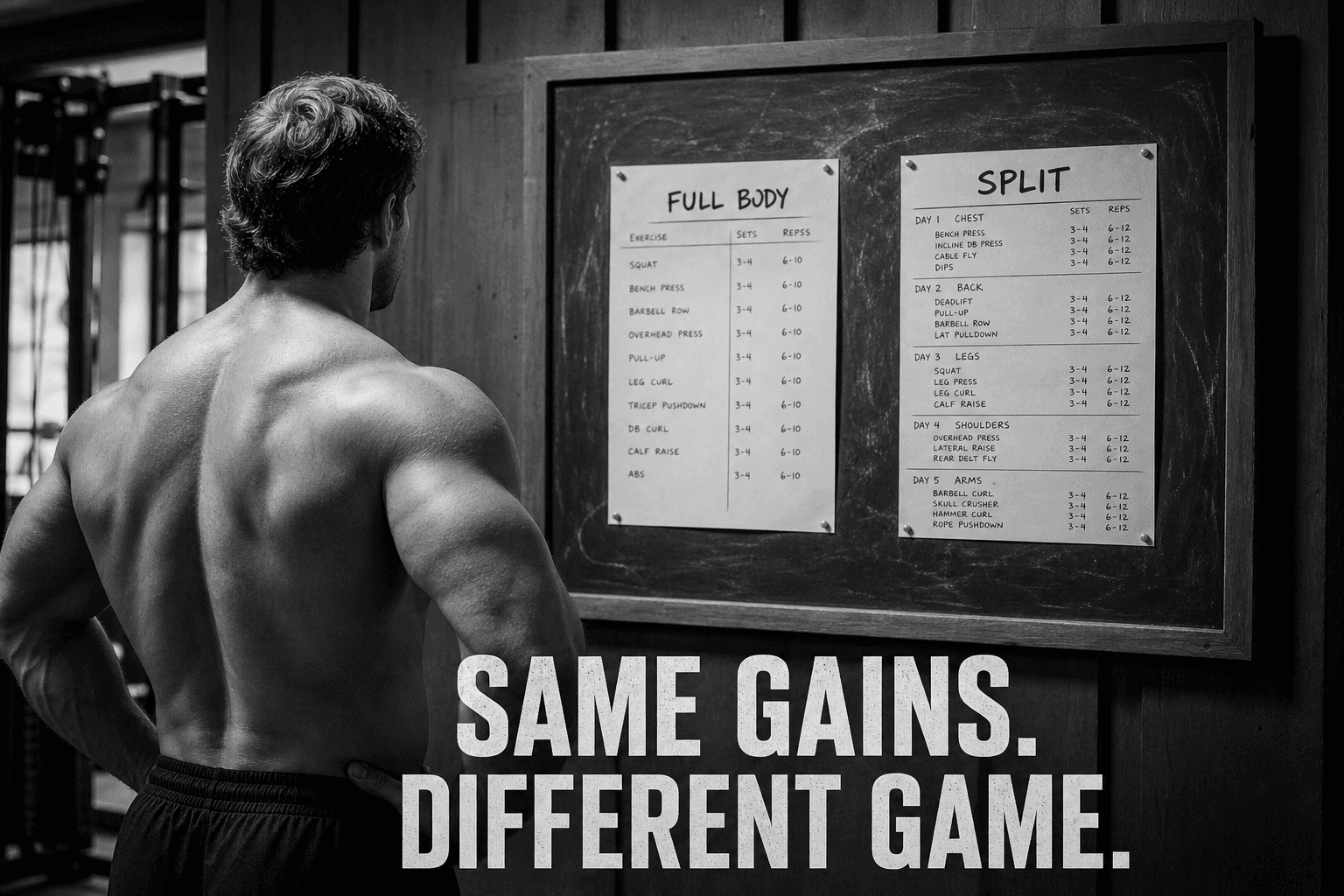
  • Full-body vs. split training: muscle and strength gains are the same — per a 2024 meta-analysis
    What Actually Matters

    Full-body vs. split training: muscle and strength gains are the same — per a 2024 meta-analysis

    Full-body or split? For muscle growth and strength, the answer is neither — they're equal, per a 2024 J Strength Cond Res meta-analysis of 14 studies.

  • 3–5 sets of deadlifts per session is enough — what a 2022 RCT on 2 vs 5 sets found
    Numbers Don't Lie

    3–5 sets of deadlifts per session is enough — what a 2022 RCT on 2 vs 5 sets found

    Wondering how many sets of deadlifts to do? 3–5 working sets is the evidence-based sweet spot — according to a Sports Med meta-analysis and a 2022 RCT.

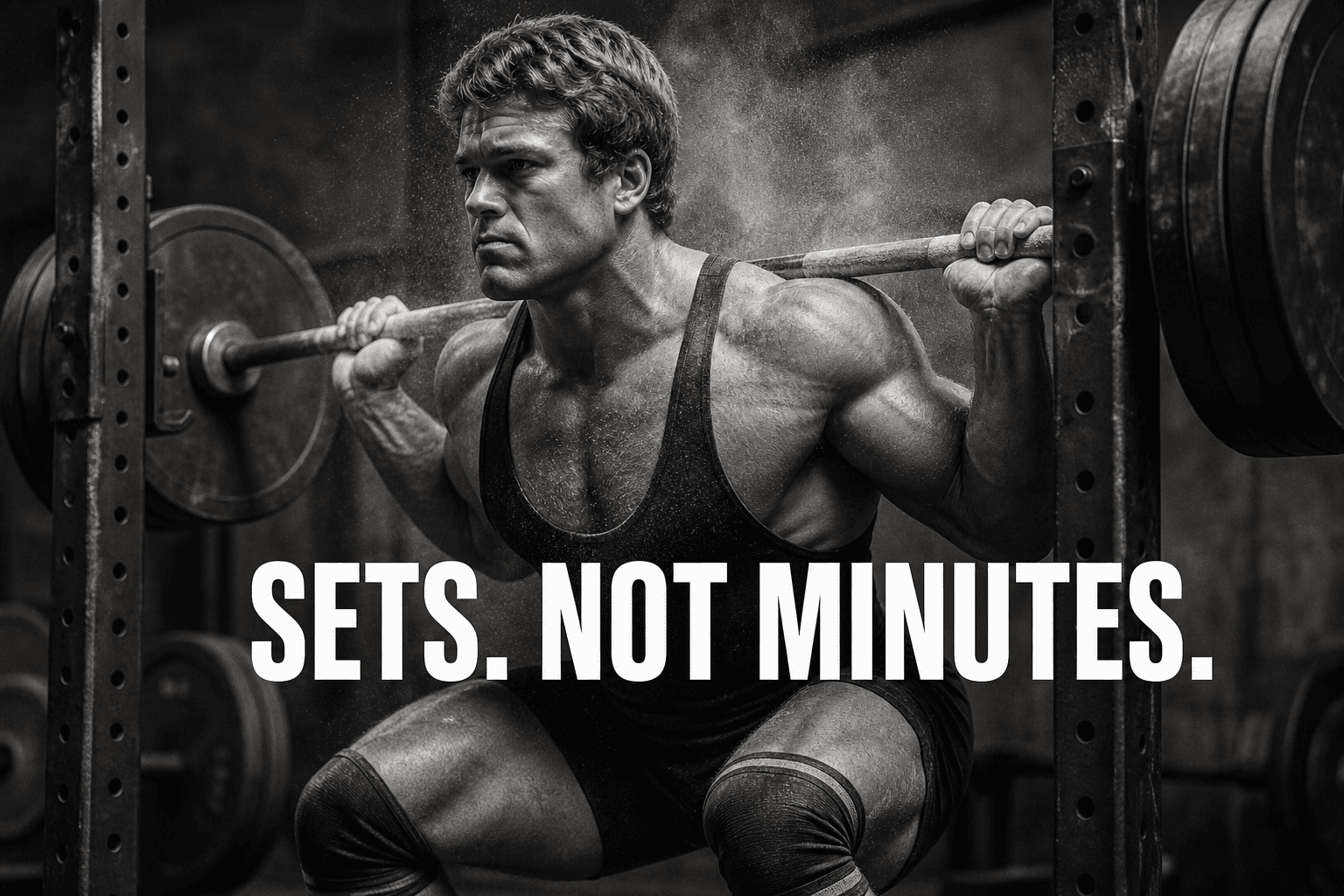
  • Workout duration doesn't predict muscle growth — sets do, per a 2020 meta-analysis of 111 studies
    Numbers Don't Lie

    Workout duration doesn't predict muscle growth — sets do, per a 2020 meta-analysis of 111 studies

    Stop watching the clock. Muscle growth comes down to sets per workout, not minutes on the floor — according to a 2020 meta-analysis of 111 studies.

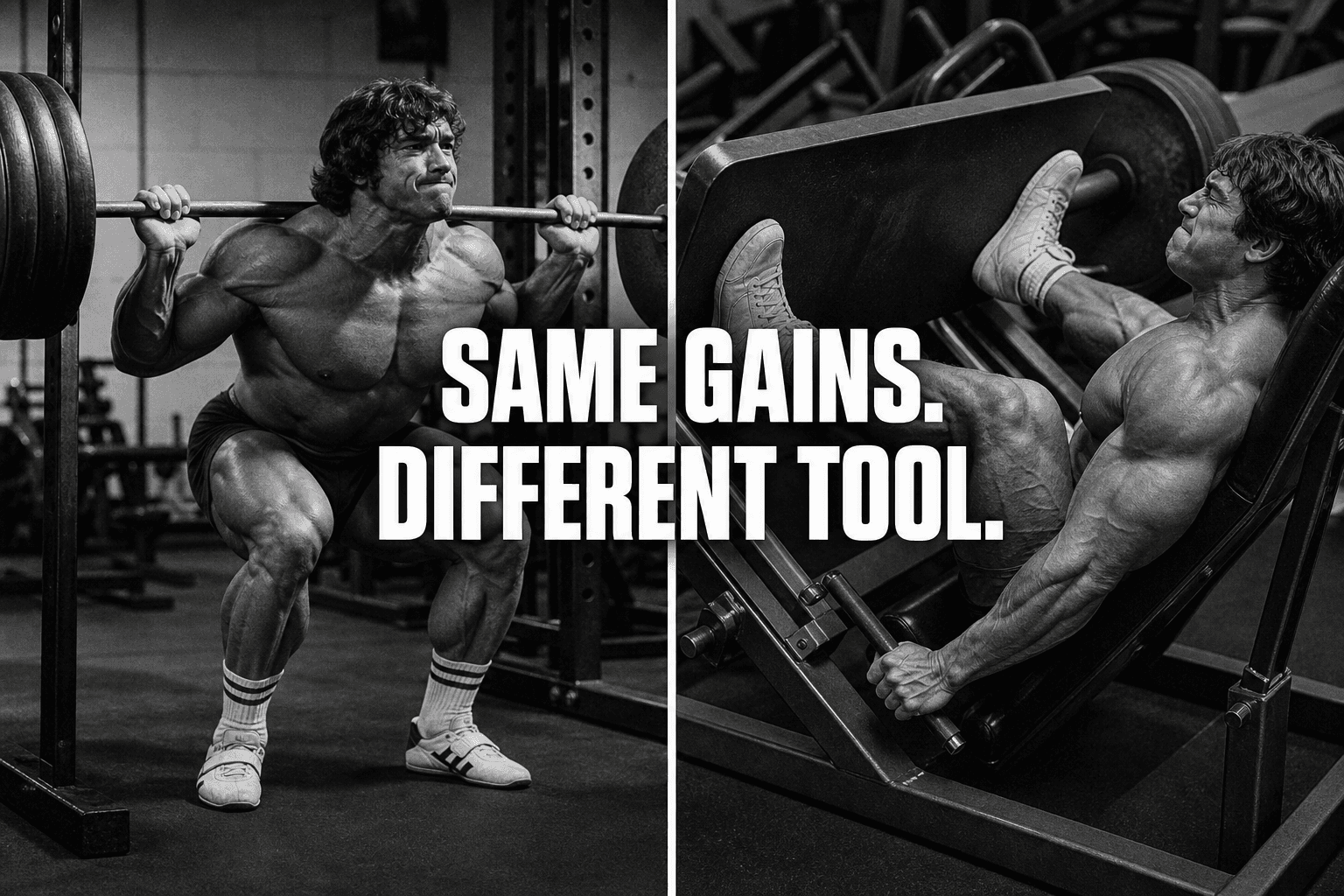
  • Squat vs. leg press: the muscle gains are the same when volume matches, per a 2025 RCT of 70 women
    What Actually Matters

    Squat vs. leg press: the muscle gains are the same when volume matches, per a 2025 RCT of 70 women

    Squat vs. leg press: which builds more muscle? When sets and reps are matched, growth is virtually identical — according to a 2025 RCT of 70 trained women.

Curious about a Core workout plan that includes the Reverse Plank

Reverse Plank Alternatives

Plank

Plank

AB Wheel

AB Wheel

More

Reverse Plank vs

  • Reverse Plank vs Leg Raise
  • Reverse Plank vs Crunch
  • Reverse Plank vs Cable Crunch

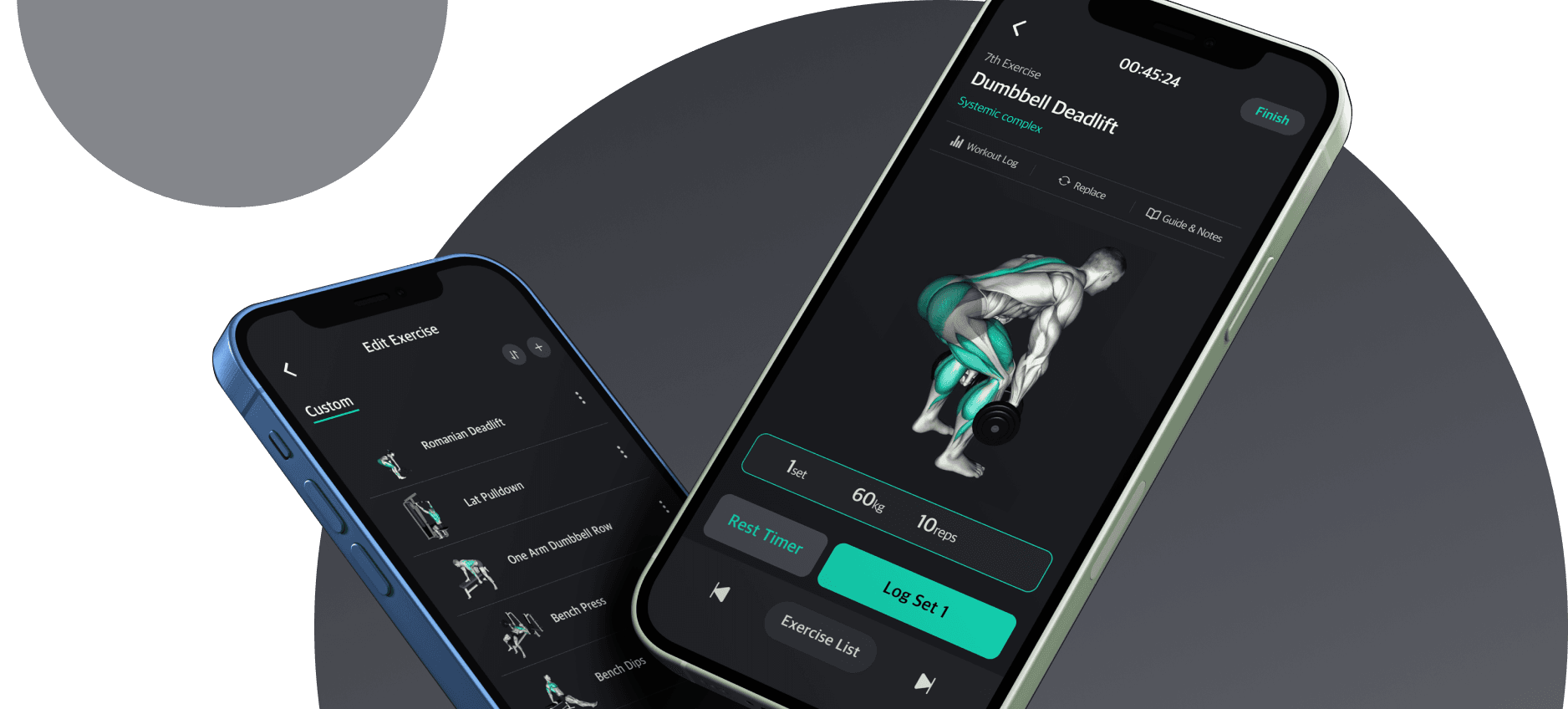
Get Personalized Plans
and More detailed guidance with Planfit
Banner Image
Planfit Logo

Copyright ⓒ 2026 Planfit Inc.

InstagramReddit
Exercise Guide
AI Workout Generator
Free Workout Plans
Privacy policy
Terms of Use
Blog