Planfit Logo
  • Exercises
  • Community
  • Blog
  • Sign in
Planfit Logo

Copyright ⓒ 2026 Planfit Inc.

InstagramReddit
Exercise Guide
AI Workout Generator
Free Workout Plans
Privacy policy
Terms of Use
Blog
Planfit Logo
  • Exercises
  • Community
  • Blog
  • Sign in

Reverse Peck Deck Fly

Reverse Peck Deck Fly gif

About

Reverse pec deck fly strengthens your rear delts, upper back, and rhomboids. It boosts shoulder stability and helps fix rounded shoulders.

How to Reverse Peck Deck Fly

Starting Position

1. Sit on the pec deck machine in reverse mode.

2. Press your chest against the pad and stabilize your upper body.

3. Grab the handles and spread your arms slightly bent at shoulder height.

Proper Form

1. While spreading your arms back, slowly move the handles to the sides and back.

2. Focus on contracting the upper back by bringing the shoulder blades together.

3. Pause briefly at the final position, then slowly return to the starting position.

4. Keep your chest pressed against the pad throughout the movement.

Breathing Technique

Exhale when you pull the handle back, and inhale when you return to the starting position.

Precautions

1. Excessive weight can put strain on your shoulders, so avoid it.

2. Do not keep your arms too straight; maintain a slightly bent position.

3. To avoid tensing your neck, keep your gaze straight ahead or slightly down.

From the Community

Share your experience, ask questions, and get tips from other athletes.

Reverse Peck Deck Fly Community

Join the Community →

Reverse Peck Deck Fly Related Reading

  • Sets per workout is the only training variable that reliably predicts muscle growth.
    Numbers Don't Lie

    Sets per workout is the only training variable that reliably predicts muscle growth.

    Wondering how many sets per workout you actually need? The answer is simpler than you think — according to a 2020 meta-analysis of 111 studies.

  • 3–5 sets of deadlifts per session is enough — what a 2022 RCT on 2 vs 5 sets found
    Numbers Don't Lie

    3–5 sets of deadlifts per session is enough — what a 2022 RCT on 2 vs 5 sets found

    Wondering how many sets of deadlifts to do? 3–5 working sets is the evidence-based sweet spot — according to a Sports Med meta-analysis and a 2022 RCT.

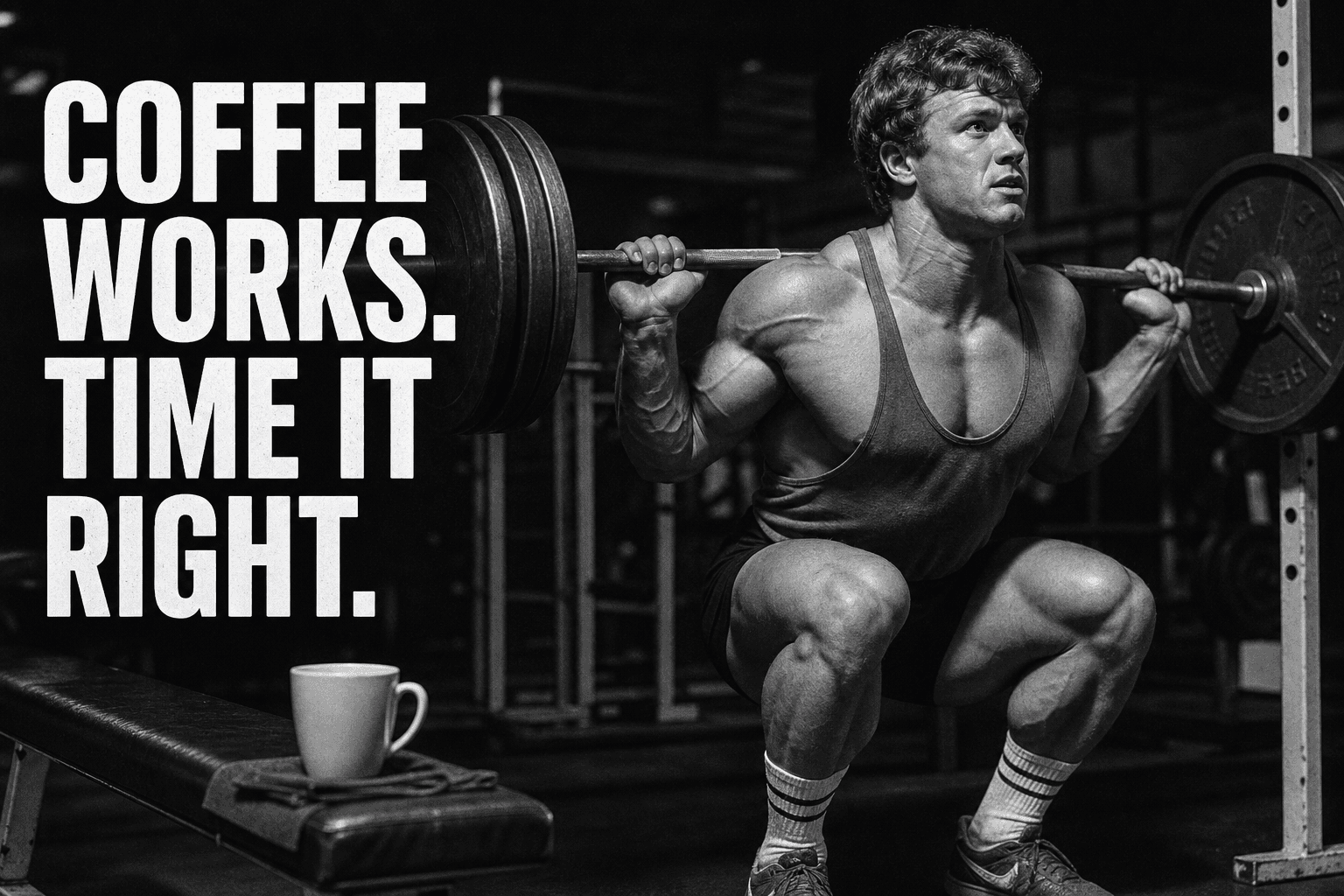
  • Coffee before a workout does help — but only if you time it right, per a 24-study meta-analysis
    Myths Busted

    Coffee before a workout does help — but only if you time it right, per a 24-study meta-analysis

    Pre-workout coffee can sharpen focus and cut perceived effort — but drink it too late and it steals 45 minutes of sleep, per a 2023 meta-analysis of 24 studies.

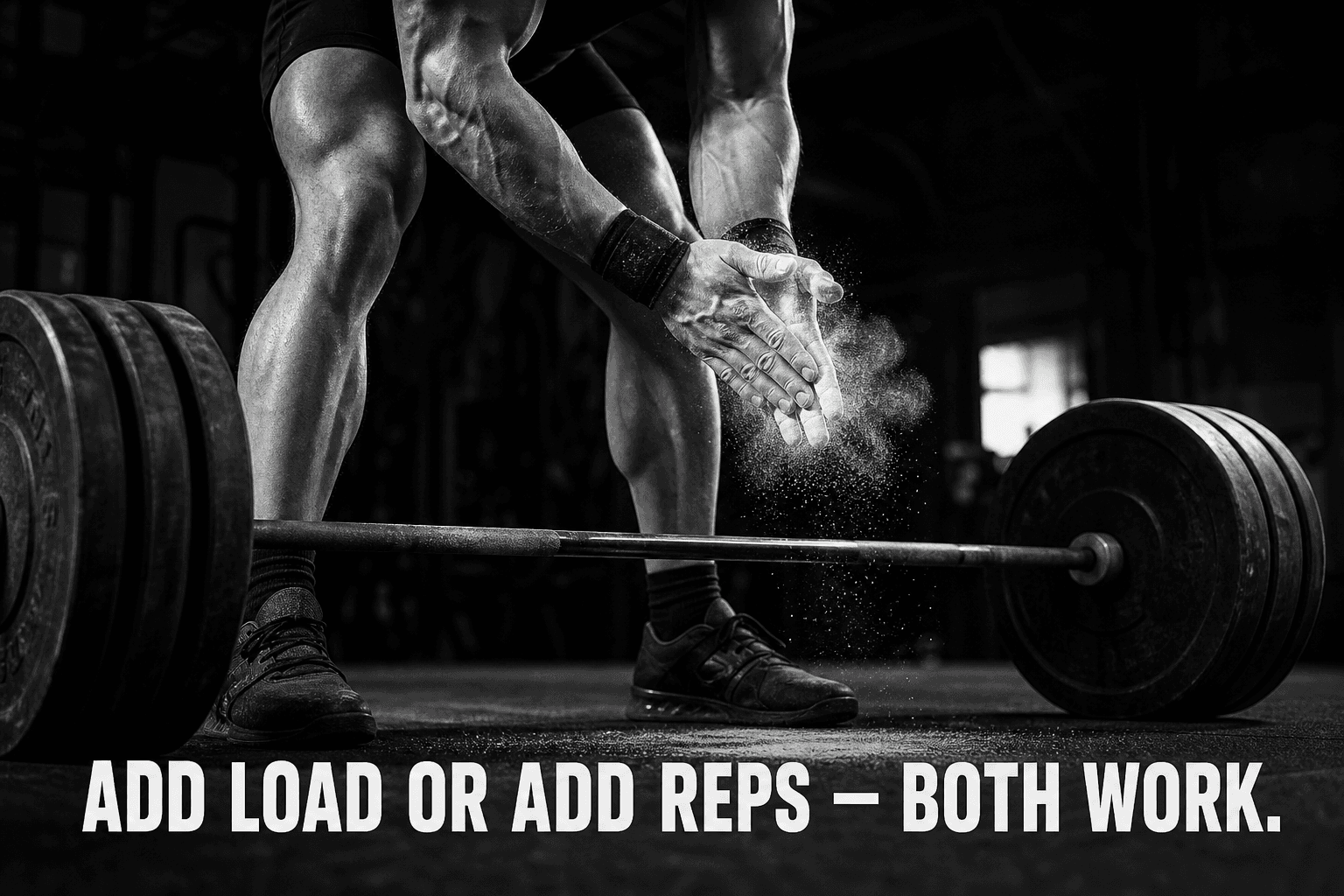
  • Progressive Overload Is the Only Variable That Actually Guarantees Muscle Growth.
    What Actually Matters

    Progressive Overload Is the Only Variable That Actually Guarantees Muscle Growth.

    Adding weight isn't the only way to progressively overload — reps work just as well, according to a 2024 RCT and an ACSM overview of 137 systematic reviews.

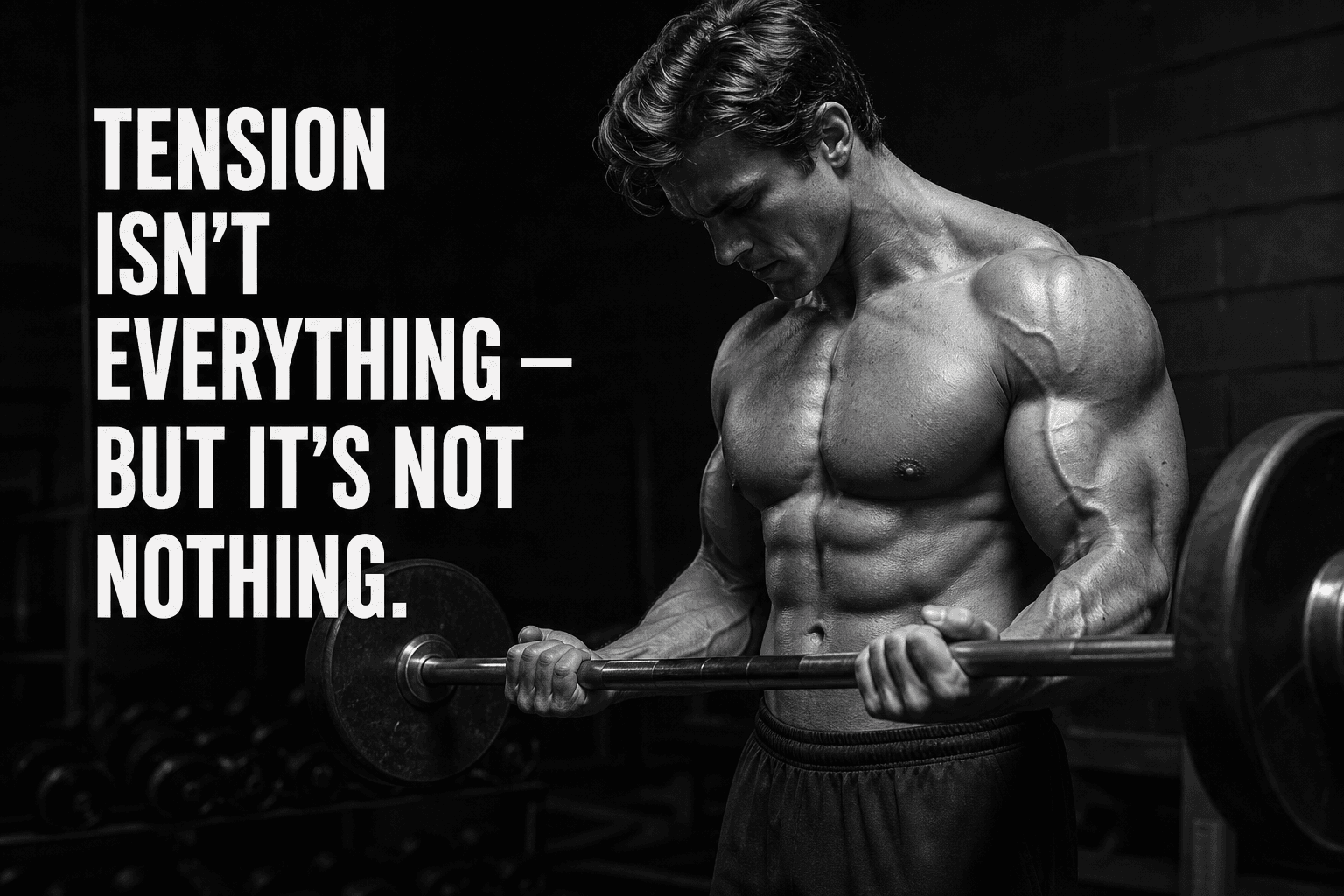
  • Time under tension does matter — just not the way you think
    What Actually Matters

    Time under tension does matter — just not the way you think

    TUT isn't the main driver of muscle size — but it unlocks real aerobic and tendon adaptations. Here's what the research actually shows, per a 2022 review and RCT.

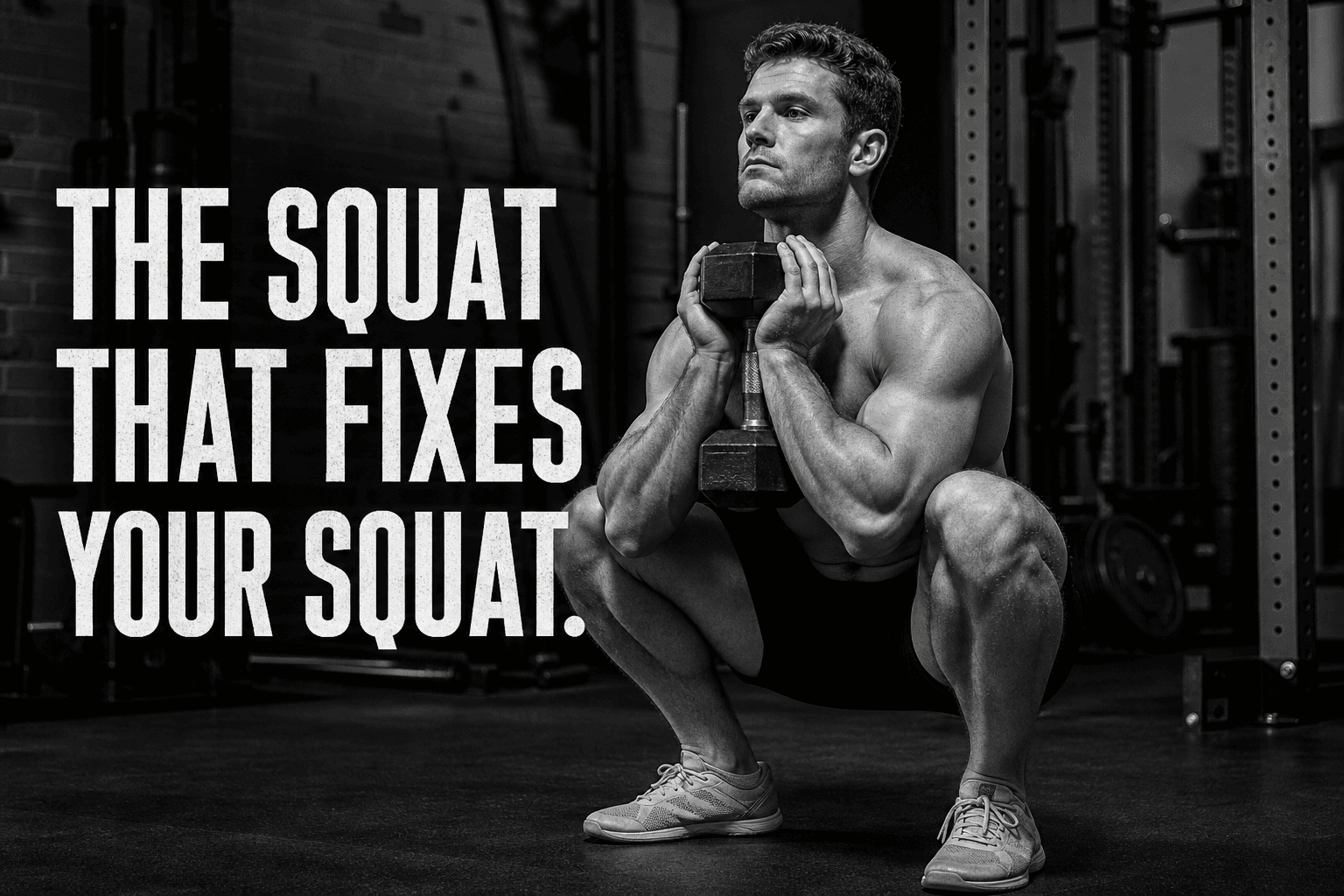
  • The goblet squat isn't a beginner move — it fixes your squat form, then cuts blood-sugar spikes 22%
    What Actually Matters

    The goblet squat isn't a beginner move — it fixes your squat form, then cuts blood-sugar spikes 22%

    The goblet squat fixes forward lean, builds legs, and — per a 2024 RCT — squat breaks cut post-meal blood sugar 22%. Here's how to use it.

Curious about a Back workout plan that includes the Reverse Peck Deck Fly

Reverse Peck Deck Fly Alternatives

Deadlift

Deadlift

Barbell Row

Barbell Row

More

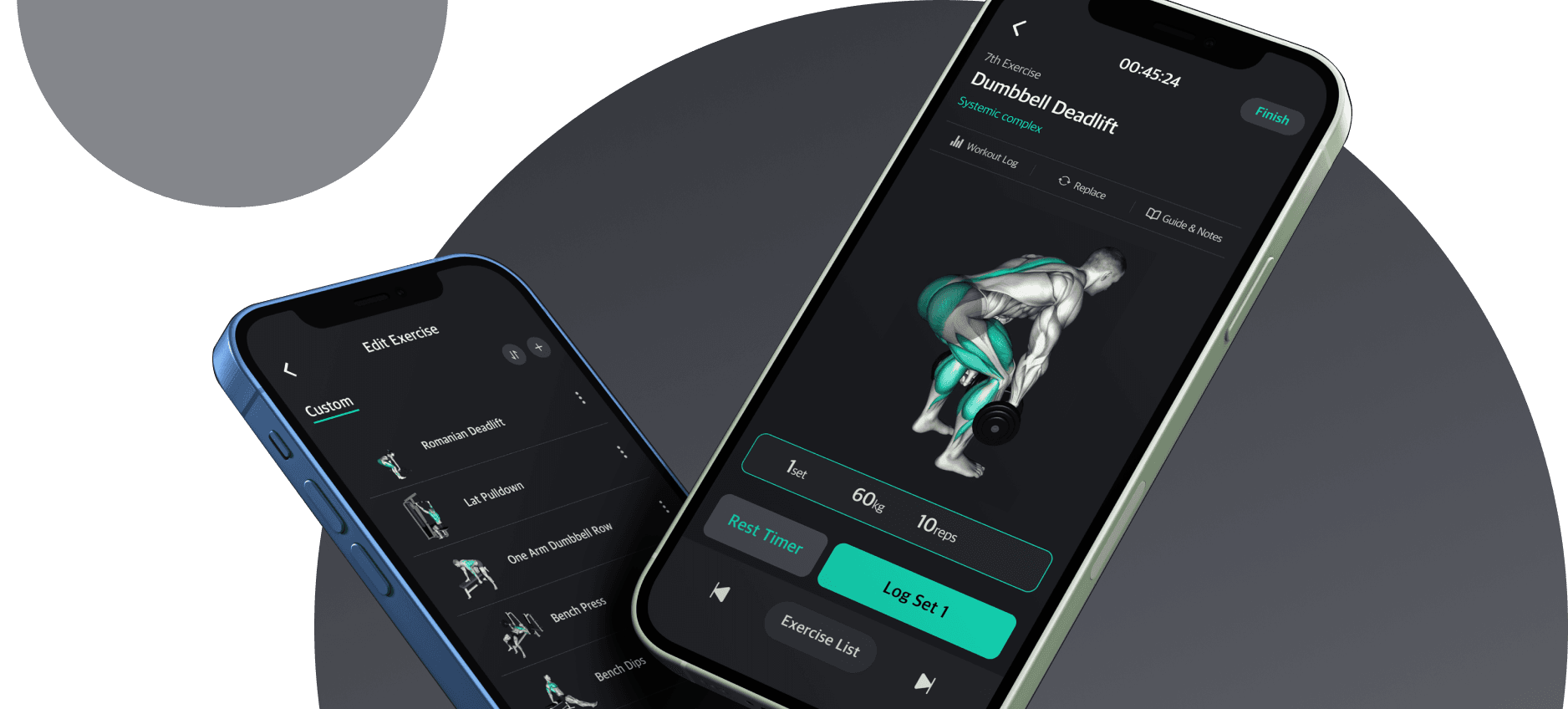
Get Personalized Plans
and More detailed guidance with Planfit
Banner Image
Planfit Logo

Copyright ⓒ 2026 Planfit Inc.

InstagramReddit
Exercise Guide
AI Workout Generator
Free Workout Plans
Privacy policy
Terms of Use
Blog