Planfit Logo
  • Exercises
  • Community
  • Blog
  • Sign in
Planfit Logo

Copyright ⓒ 2026 Planfit Inc.

InstagramReddit
Exercise Guide
AI Workout Generator
Free Workout Plans
Privacy policy
Terms of Use
Blog
Planfit Logo
  • Exercises
  • Community
  • Blog
  • Sign in

Prone Y Raise

Prone Y Raise gif
Targets: Lower trap, Rear delt

About

Y-raises strengthen your shoulders and upper back. They help stabilize your upper body and improve posture.

How to Prone Y Raise

Starting Position

1. Lie face down on the floor and keep your body straight.

2. Extend your arms above your head to form a Y shape.

3. Spread your feet shoulder-width apart and lightly rest your forehead on the floor.

Proper Form

1. Lift your arms off the floor while contracting your shoulders.

2. Raise your arms as high as possible while maintaining a Y shape.

3. Hold for a moment, then slowly lower your arms back to the starting position.

Breathing Technique

Exhale when you raise your arms, and inhale when you lower them.

Precautions

1. Keep your gaze on the floor to avoid excessive tension in your neck and maintain a relaxed neck.

2. Engage your abdomen to prevent your back from bending and maintain proper body alignment.

3. Perform the movements smoothly and in a controlled manner without any bouncing.

From the Community

Prone Y Raise Community

Join the Community →
Prone Y Raise Related Reading

  • 3–5 sets of deadlifts per session is enough — what a 2022 RCT on 2 vs 5 sets found
    Numbers Don't Lie

    3–5 sets of deadlifts per session is enough — what a 2022 RCT on 2 vs 5 sets found

    Wondering how many sets of deadlifts to do? 3–5 working sets is the evidence-based sweet spot — according to a Sports Med meta-analysis and a 2022 RCT.

  • Workout duration doesn't predict muscle growth — sets do, per a 2020 meta-analysis of 111 studies
    Numbers Don't Lie

    Workout duration doesn't predict muscle growth — sets do, per a 2020 meta-analysis of 111 studies

    Stop watching the clock. Muscle growth comes down to sets per workout, not minutes on the floor — according to a 2020 meta-analysis of 111 studies.

  • Time under tension does matter — just not the way you think
    What Actually Matters

    Time under tension does matter — just not the way you think

    TUT isn't the main driver of muscle size — but it unlocks real aerobic and tendon adaptations. Here's what the research actually shows, per a 2022 review and RCT.

  • Cardio before or after weights: why the order depends on your goal
    What Actually Matters

    Cardio before or after weights: why the order depends on your goal

    Do cardio before or after lifting? The answer depends entirely on your goal. Here's what the interference effect and a 2024 meta-analysis of 23 RCTs actually say.

  • Soreness is not a measure of muscle growth.
    Myths Busted

    Soreness is not a measure of muscle growth.

    Feeling wrecked after leg day doesn't mean you're building more muscle. Here's what the science actually says — including a 2026 meta-analysis of 49 studies.

  • How Many Sets of Biceps Per Week? 10 Is Probably Your Ceiling
    Numbers Don't Lie

    How Many Sets of Biceps Per Week? 10 Is Probably Your Ceiling

    More biceps sets doesn't mean more growth. Two RCTs show 5–10 weekly sets match or beat 15–32 — here's the number that actually matters.

Curious about a Back workout plan that includes the Prone Y Raise

Prone Y Raise Alternatives

Deadlift

Deadlift

Barbell Row

Barbell Row

More

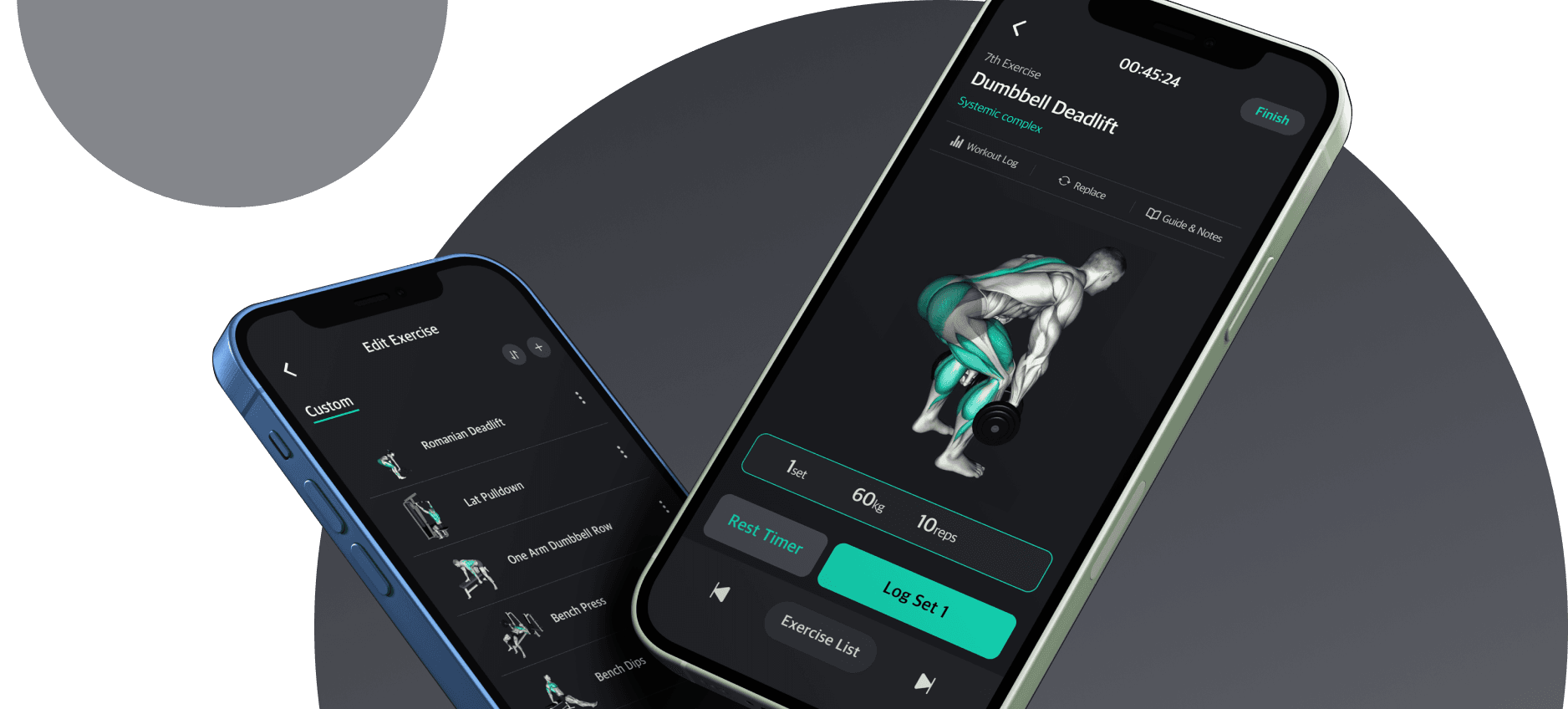
Get Personalized Plans
and More detailed guidance with Planfit
Banner Image
Planfit Logo

Copyright ⓒ 2026 Planfit Inc.

InstagramReddit
Exercise Guide
AI Workout Generator
Free Workout Plans
Privacy policy
Terms of Use
Blog