Planfit Logo
  • Exercises
  • Community
  • Blog
  • Sign in
Planfit Logo

Copyright ⓒ 2026 Planfit Inc.

InstagramReddit
Exercise Guide
AI Workout Generator
Free Workout Plans
Privacy policy
Terms of Use
Blog
Planfit Logo
  • Exercises
  • Community
  • Blog
  • Sign in

Headstand

Headstand gif

About

A headstand is an inverted pose where you balance on your head and arms. It’s great for building shoulder and core stability, but it’s advanced and can strain your neck, so be extra careful.

How to Headstand

Starting Position

1. Kneel in front of the wall and place your elbows on the floor.

2. Interlock your fingers and wrap your hands around the back of your head, lightly resting the crown of your head on the floor.

3. Support your upper body with the feeling of creating a triangular support with your elbows and head.

4. Lift your hips and slowly walk your feet towards your head.

Proper Form

1. Engage your core and slowly lift one leg at a time, bringing your knees towards your chest.

2. Once you have your balance, lift both knees together to create a position with your thighs raised, then slowly extend your legs upward to form a straight line with your body.

3. Avoid putting excessive strain on your neck, and maintain a feeling of distributing your weight through your shoulders and arms.

4. When coming down, slowly lower your knees towards your chest in reverse order, then place your feet on the floor.

Breathing Technique

Do not hold your breath while going up, and breathe in and out slowly and naturally while maintaining your posture.

Precautions

1. If you have problems with your neck, shoulders, or back, do not attempt it alone.

2. Always start with the help of a wall or an assistant, and do not suddenly lift your legs; rise slowly.

3. Distribute your weight to your arms and shoulders so that it is not solely on your head.

4. If you feel dizziness or pain, immediately relax your position and rest.

From the Community

Share your experience, ask questions, and get tips from other athletes.

Headstand Community

Join the Community →
Headstand Related Reading

  • Rep range almost doesn't matter for muscle growth — what 4 RCTs actually say
    Numbers Don't Lie

    Rep range almost doesn't matter for muscle growth — what 4 RCTs actually say

    5 reps or 30 reps — it barely matters for hypertrophy. Here's what the evidence from 4 recent RCTs actually says about rep ranges and muscle growth.

  • 3–5 sets of deadlifts per session is enough — what a 2022 RCT on 2 vs 5 sets found
    Numbers Don't Lie

    3–5 sets of deadlifts per session is enough — what a 2022 RCT on 2 vs 5 sets found

    Wondering how many sets of deadlifts to do? 3–5 working sets is the evidence-based sweet spot — according to a Sports Med meta-analysis and a 2022 RCT.

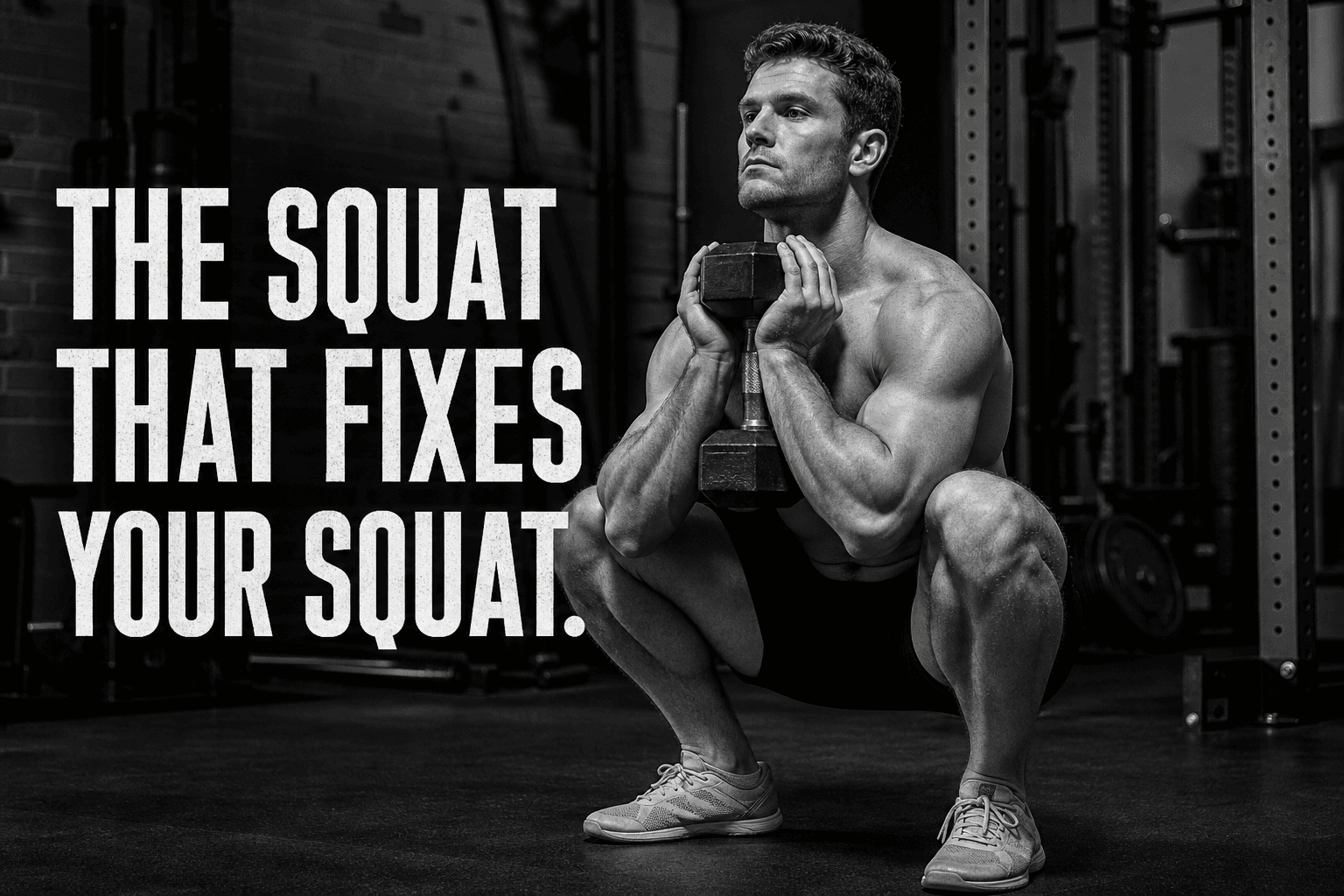
  • The goblet squat isn't a beginner move — it fixes your squat form, then cuts blood-sugar spikes 22%
    What Actually Matters

    The goblet squat isn't a beginner move — it fixes your squat form, then cuts blood-sugar spikes 22%

    The goblet squat fixes forward lean, builds legs, and — per a 2024 RCT — squat breaks cut post-meal blood sugar 22%. Here's how to use it.

  • 3 minutes beats 1 minute — and the data on rest periods is clearer than you think.
    Numbers Don't Lie

    3 minutes beats 1 minute — and the data on rest periods is clearer than you think.

    Resting longer between sets builds more strength and likely more muscle. Here's exactly how long to rest, according to a 2024 Bayesian meta-analysis and two RCTs.

  • Workout duration doesn't predict muscle growth — sets do, per a 2020 meta-analysis of 111 studies
    Numbers Don't Lie

    Workout duration doesn't predict muscle growth — sets do, per a 2020 meta-analysis of 111 studies

    Stop watching the clock. Muscle growth comes down to sets per workout, not minutes on the floor — according to a 2020 meta-analysis of 111 studies.

  • Mechanical tension is the primary driver of muscle growth — and 5 peer-reviewed reviews in Sports Med explain exactly why
    What Actually Matters

    Mechanical tension is the primary driver of muscle growth — and 5 peer-reviewed reviews in Sports Med explain exactly why

    Mechanical tension isn't just one factor in muscle growth — it's the main one. Here's what the science actually says, across 5 reviews in top sports-science journals.

Curious about a Back workout plan that includes the Headstand

Headstand Alternatives

Deadlift

Deadlift

Barbell Row

Barbell Row

More

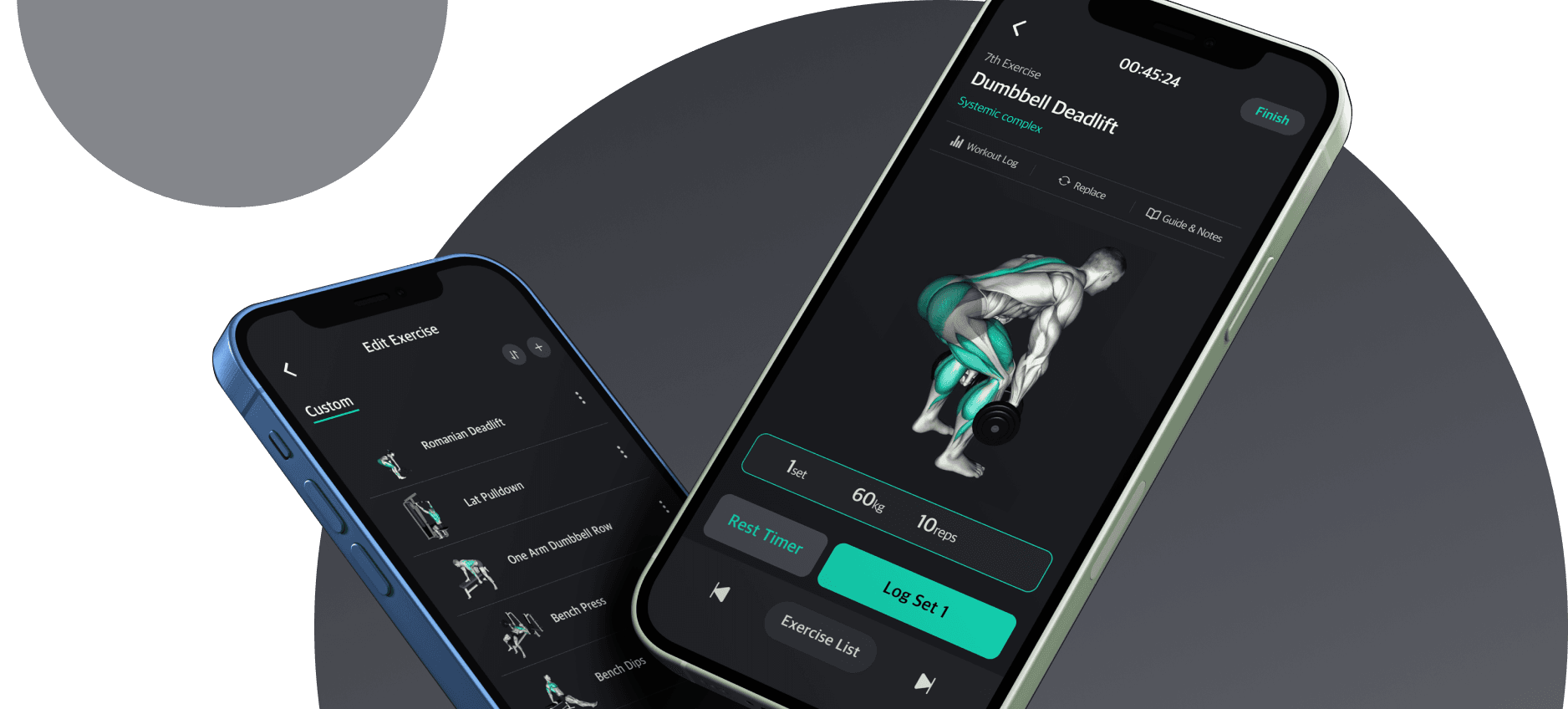
Get Personalized Plans
and More detailed guidance with Planfit
Banner Image
Planfit Logo

Copyright ⓒ 2026 Planfit Inc.

InstagramReddit
Exercise Guide
AI Workout Generator
Free Workout Plans
Privacy policy
Terms of Use
Blog