Planfit Logo
  • Exercises
  • Community
  • Blog
  • Sign in
Planfit Logo

Copyright ⓒ 2026 Planfit Inc.

InstagramReddit
Exercise Guide
AI Workout Generator
Free Workout Plans
Privacy policy
Terms of Use
Blog
Planfit Logo
  • Exercises
  • Community
  • Blog
  • Sign in

Band Y Raise

Band Y Raise gif
Targets: Lower trap

About

Band Y raises strengthen your upper back and shoulder stability. The band resistance works your upper traps, rhomboids, and rotator cuff all at once.

How to Band Y Raise

Starting Position

1. Step on the center of the band with your foot and hold both ends with your hands.

2. Keep your feet shoulder-width apart and slightly bend your knees.

3. Extend your arms forward to form a Y shape.

Proper Form

1. Raise both arms upward and outward with your elbows slightly bent.

2. Lift until the band is taut, focusing on contracting your upper back.

3. Be careful not to let your shoulders rise excessively towards your ears.

4. Slowly return to the starting position while resisting the band.

Breathing Technique

Exhale when you raise your arms, and inhale when you lower them.

Precautions

1. Choose a band intensity that is manageable.

2. Engage your core to prevent excessive arching of the lower back.

3. If you feel pain, reduce the range or lower the intensity.

From the Community

Share your experience, ask questions, and get tips from other athletes.

Band Y Raise Community

Join the Community →
Band Y Raise Related Reading

  • Soreness is not a measure of muscle growth.
    Myths Busted

    Soreness is not a measure of muscle growth.

    Feeling wrecked after leg day doesn't mean you're building more muscle. Here's what the science actually says — including a 2026 meta-analysis of 49 studies.

  • Full-body vs. split training: muscle and strength gains are the same — per a 2024 meta-analysis
    What Actually Matters

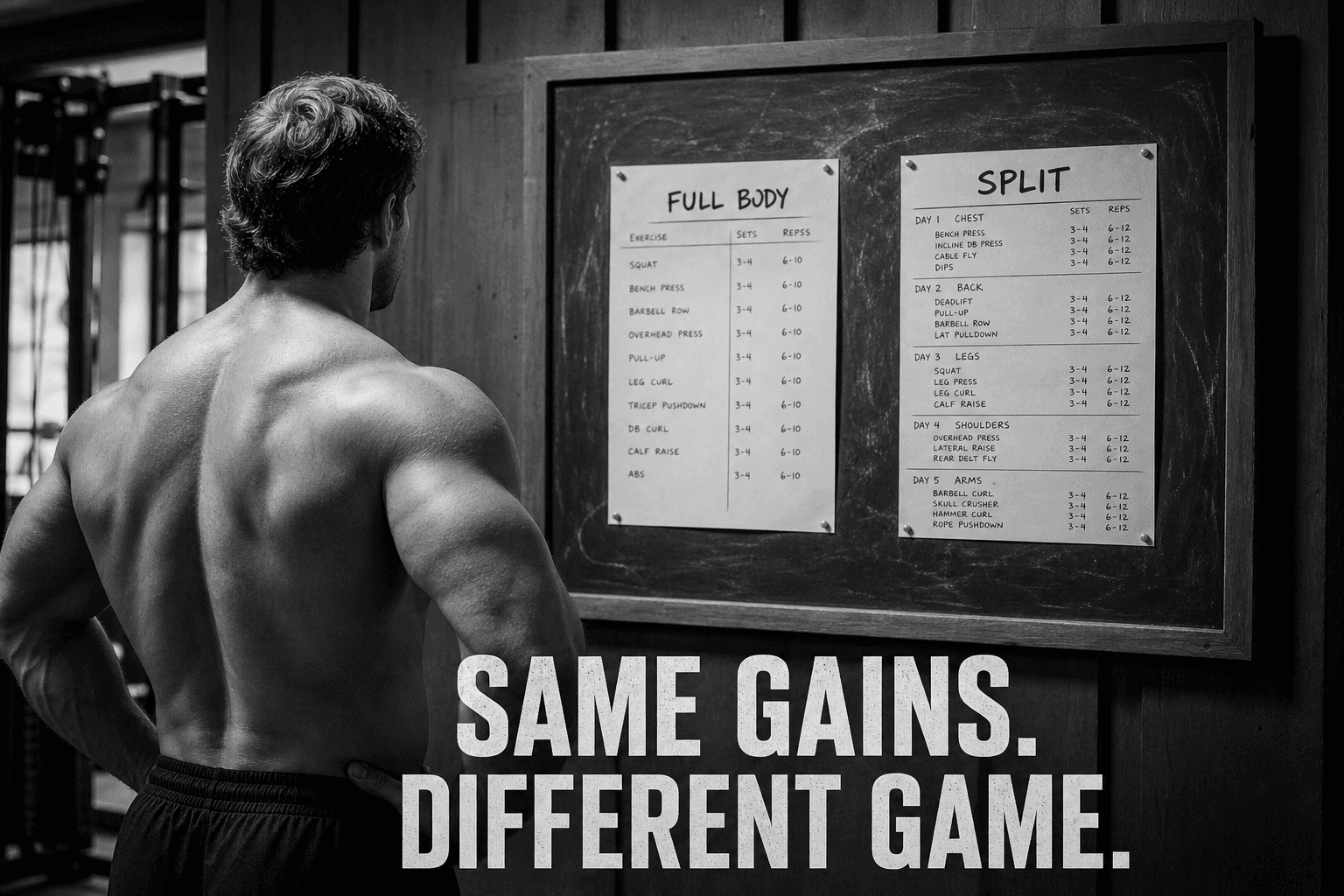
    Full-body vs. split training: muscle and strength gains are the same — per a 2024 meta-analysis

    Full-body or split? For muscle growth and strength, the answer is neither — they're equal, per a 2024 J Strength Cond Res meta-analysis of 14 studies.

  • 3–5 sets of deadlifts per session is enough — what a 2022 RCT on 2 vs 5 sets found
    Numbers Don't Lie

    3–5 sets of deadlifts per session is enough — what a 2022 RCT on 2 vs 5 sets found

    Wondering how many sets of deadlifts to do? 3–5 working sets is the evidence-based sweet spot — according to a Sports Med meta-analysis and a 2022 RCT.

  • 3 days a week is enough — and a J Strength Cond Res RCT of 32 athletes proves it works
    Numbers Don't Lie

    3 days a week is enough — and a J Strength Cond Res RCT of 32 athletes proves it works

    Wondering how many days a week to work out? 3 sessions gets the job done — per an RCT in J Strength Cond Res and exercise guideline reviews.

  • Cardio before or after weights: why the order depends on your goal
    What Actually Matters

    Cardio before or after weights: why the order depends on your goal

    Do cardio before or after lifting? The answer depends entirely on your goal. Here's what the interference effect and a 2024 meta-analysis of 23 RCTs actually say.

  • Mechanical tension is the primary driver of muscle growth — and 5 peer-reviewed reviews in Sports Med explain exactly why
    What Actually Matters

    Mechanical tension is the primary driver of muscle growth — and 5 peer-reviewed reviews in Sports Med explain exactly why

    Mechanical tension isn't just one factor in muscle growth — it's the main one. Here's what the science actually says, across 5 reviews in top sports-science journals.

Curious about a Back workout plan that includes the Band Y Raise

Band Y Raise Alternatives

Deadlift

Deadlift

Barbell Row

Barbell Row

More

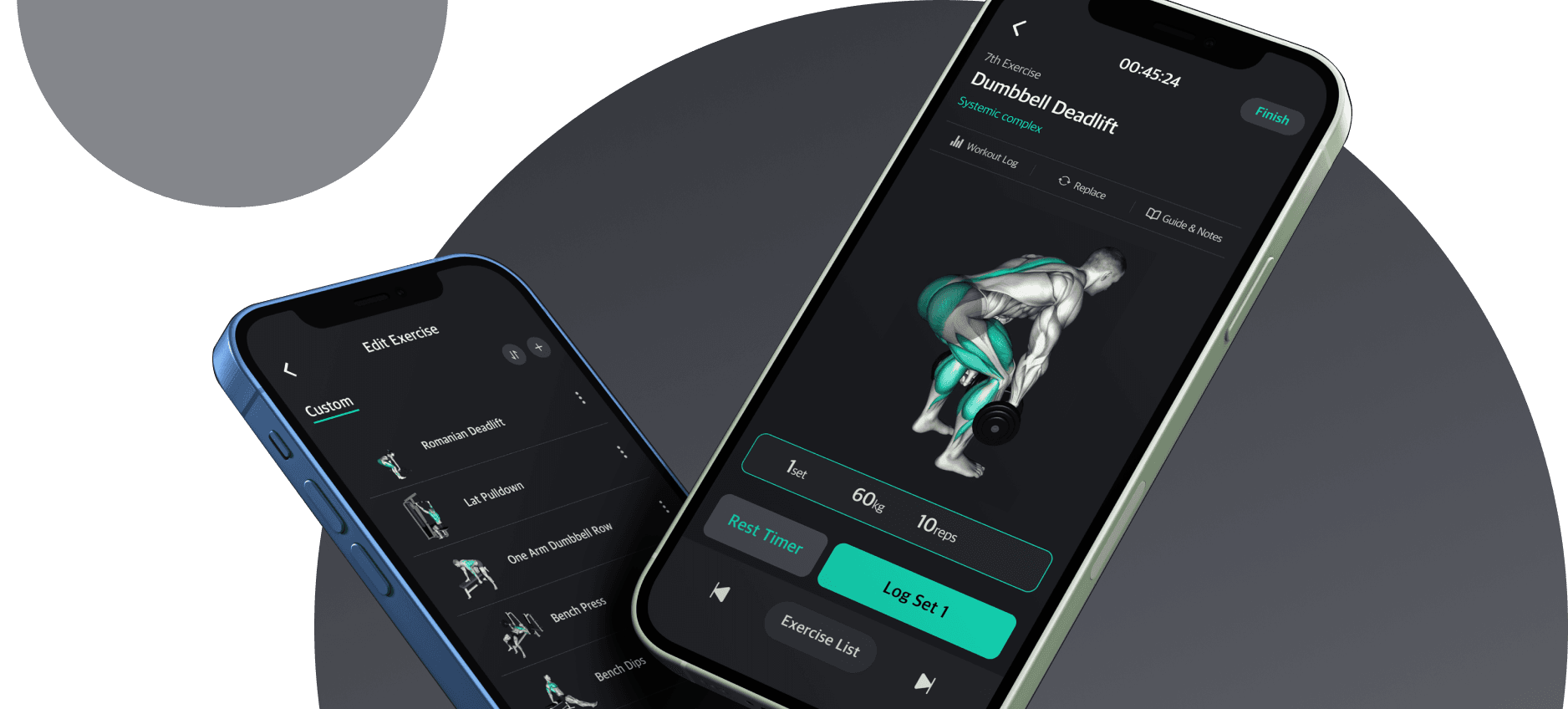
Get Personalized Plans
and More detailed guidance with Planfit
Banner Image
Planfit Logo

Copyright ⓒ 2026 Planfit Inc.

InstagramReddit
Exercise Guide
AI Workout Generator
Free Workout Plans
Privacy policy
Terms of Use
Blog