Planfit Logo
  • Exercises
  • Community
  • Blog
  • Sign in
Planfit Logo

Copyright ⓒ 2026 Planfit Inc.

InstagramReddit
Exercise Guide
AI Workout Generator
Free Workout Plans
Privacy policy
Terms of Use
Blog
Planfit Logo
  • Exercises
  • Community
  • Blog
  • Sign in

Reverse Crunch

Abs strengthening
Reverse Crunch gif
Isolation

About

It is a workout to target the upper abdominal muscles. You have to raise your legs with the strength of your core, not your waist or neck. Please be careful not to use your body's rebound!

How to Reverse Crunch

Starting Position

1. Please lie down comfortably on the floor.

2. Bend your knees and lift your legs so that your thighs are perpendicular to the floor.

3. Spread your arms wide and support your body on the floor to keep it steady.

Proper Form

1. Bend your knees so that they are perpendicular to the ground while lying on the floor.

2. Engage your abs as if your knees are touching your chest and lift your hips up.

3. Hold this position for about 1 second, then slowly return to the starting position.

Breathing Technique

Exhale when you raise your legs, and inhale when you lower them.

Precautions

Be careful not to lift your lower back excessively off the floor, and focus on engaging your abdominal muscles.

From the Community

Reverse Crunch Community

Join the Community →
Reverse Crunch Related Reading

  • Rep range almost doesn't matter for muscle growth — what 4 RCTs actually say
    Numbers Don't Lie

    Rep range almost doesn't matter for muscle growth — what 4 RCTs actually say

    5 reps or 30 reps — it barely matters for hypertrophy. Here's what the evidence from 4 recent RCTs actually says about rep ranges and muscle growth.

  • Mechanical tension is the primary driver of muscle growth — and 5 peer-reviewed reviews in Sports Med explain exactly why
    What Actually Matters

    Mechanical tension is the primary driver of muscle growth — and 5 peer-reviewed reviews in Sports Med explain exactly why

    Mechanical tension isn't just one factor in muscle growth — it's the main one. Here's what the science actually says, across 5 reviews in top sports-science journals.

  • The Anabolic Window Is a Myth.
    Myths Busted

    The Anabolic Window Is a Myth.

    You don't need to slam a protein shake the second you rack the bar. Here's what the research actually says about post-workout nutrition timing, according to two landmark reviews.

  • Magnesium won't stop your muscle cramps — unless you're deficient, per a 2020 Cochrane review
    Myths Busted

    Magnesium won't stop your muscle cramps — unless you're deficient, per a 2020 Cochrane review

    Magnesium supplements are the go-to for muscle cramps — but a 2020 Cochrane meta-analysis found no reliable benefit for most people. Here's what actually matters.

  • The trap bar deadlift isn't a shortcut — it's the smarter pull, backed by posterior-chain research
    What Actually Matters

    The trap bar deadlift isn't a shortcut — it's the smarter pull, backed by posterior-chain research

    Trap bar deadlift benefits go beyond 'easier on the back.' Here's what posterior-chain research and deadlift RCTs actually say about strength, safety, and power.

  • 3–5 sets of deadlifts per session is enough — what a 2022 RCT on 2 vs 5 sets found
    Numbers Don't Lie

    3–5 sets of deadlifts per session is enough — what a 2022 RCT on 2 vs 5 sets found

    Wondering how many sets of deadlifts to do? 3–5 working sets is the evidence-based sweet spot — according to a Sports Med meta-analysis and a 2022 RCT.

Curious about a Core workout plan that includes the Reverse Crunch

Reverse Crunch Alternatives

Crunch

Crunch

Bicycle Crunch

Bicycle Crunch

More

Reverse Crunch vs

  • Reverse Crunch vs Leg Raise
  • Reverse Crunch vs Crunch
  • Reverse Crunch vs Cable Crunch

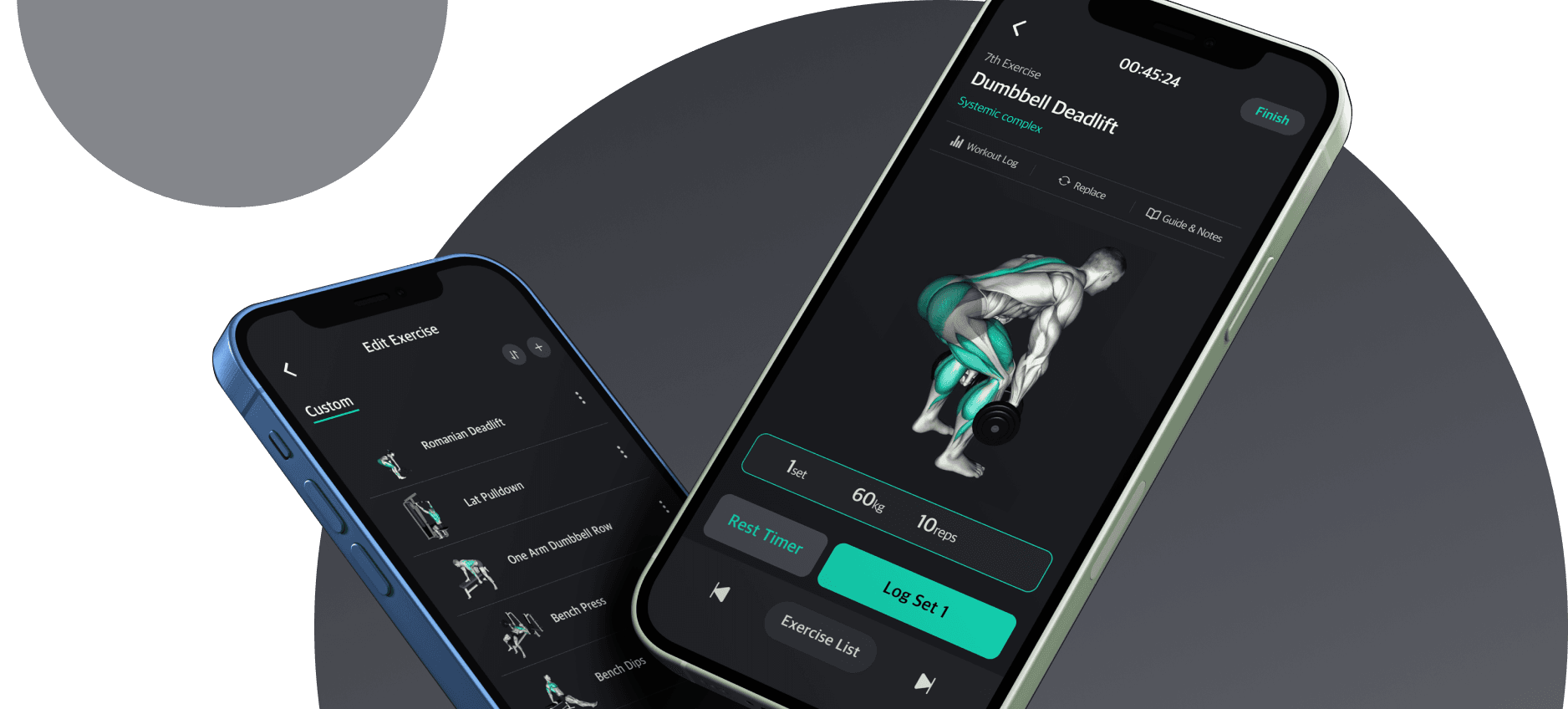
Get Personalized Plans
and More detailed guidance with Planfit
Banner Image
Planfit Logo

Copyright ⓒ 2026 Planfit Inc.

InstagramReddit
Exercise Guide
AI Workout Generator
Free Workout Plans
Privacy policy
Terms of Use
Blog