Planfit Logo
  • Exercises
  • Community
  • Blog
  • Sign in
Planfit Logo

Copyright ⓒ 2026 Planfit Inc.

InstagramReddit
Exercise Guide
AI Workout Generator
Free Workout Plans
Privacy policy
Terms of Use
Blog
Planfit Logo
  • Exercises
  • Community
  • Blog
  • Sign in

Pause Squats

Pause Squats gif

About

Pause at the bottom to build lower body strength and stability.

How to Pause Squats

Starting Position

1. Stand with your feet shoulder-width apart and chest out.

2. Hold a barbell or dumbbell in a regular squat position and get ready.

Proper Form

1. Slowly lower yourself by pushing your hips back and pause for 1-3 seconds at the lowest point.

2. After pausing, push off the ground with your heels to stand up.

3. Repeat in the same rhythm.

Breathing Technique

Breathe in while going down, and breathe out while coming up.

Precautions

1. Engage your core to prevent your back from collapsing during the stationary phase.

2. Adjust to ensure that your knees do not go excessively forward past your toes.

From the Community

Share your experience, ask questions, and get tips from other athletes.

Pause Squats Community

Join the Community →
Pause Squats Related Reading

  • 3–5 sets of deadlifts per session is enough — what a 2022 RCT on 2 vs 5 sets found
    Numbers Don't Lie

    3–5 sets of deadlifts per session is enough — what a 2022 RCT on 2 vs 5 sets found

    Wondering how many sets of deadlifts to do? 3–5 working sets is the evidence-based sweet spot — according to a Sports Med meta-analysis and a 2022 RCT.

  • Exercise does suppress appetite — but a muscle molecule, not willpower, is why (2016 meta-analysis)
    Myths Busted

    Exercise does suppress appetite — but a muscle molecule, not willpower, is why (2016 meta-analysis)

    Does exercise make you eat less? Yes — but the mechanism is a molecule called Lac-Phe, not willpower. Here's what the research actually says, per a 2016 meta-analysis and a 2021 RCT.

  • Sets per workout is the only training variable that reliably predicts muscle growth.
    Numbers Don't Lie

    Sets per workout is the only training variable that reliably predicts muscle growth.

    Wondering how many sets per workout you actually need? The answer is simpler than you think — according to a 2020 meta-analysis of 111 studies.

  • 3 minutes beats 1 minute — and the data on rest periods is clearer than you think.
    Numbers Don't Lie

    3 minutes beats 1 minute — and the data on rest periods is clearer than you think.

    Resting longer between sets builds more strength and likely more muscle. Here's exactly how long to rest, according to a 2024 Bayesian meta-analysis and two RCTs.

  • Time under tension does matter — just not the way you think
    What Actually Matters

    Time under tension does matter — just not the way you think

    TUT isn't the main driver of muscle size — but it unlocks real aerobic and tendon adaptations. Here's what the research actually shows, per a 2022 review and RCT.

  • Workout duration doesn't predict muscle growth — sets do, per a 2020 meta-analysis of 111 studies
    Numbers Don't Lie

    Workout duration doesn't predict muscle growth — sets do, per a 2020 meta-analysis of 111 studies

    Stop watching the clock. Muscle growth comes down to sets per workout, not minutes on the floor — according to a 2020 meta-analysis of 111 studies.

Curious about a Leg workout plan that includes the Pause Squats

Pause Squats Alternatives

Barbell Squat

Barbell Squat

Leg press

Leg press

More

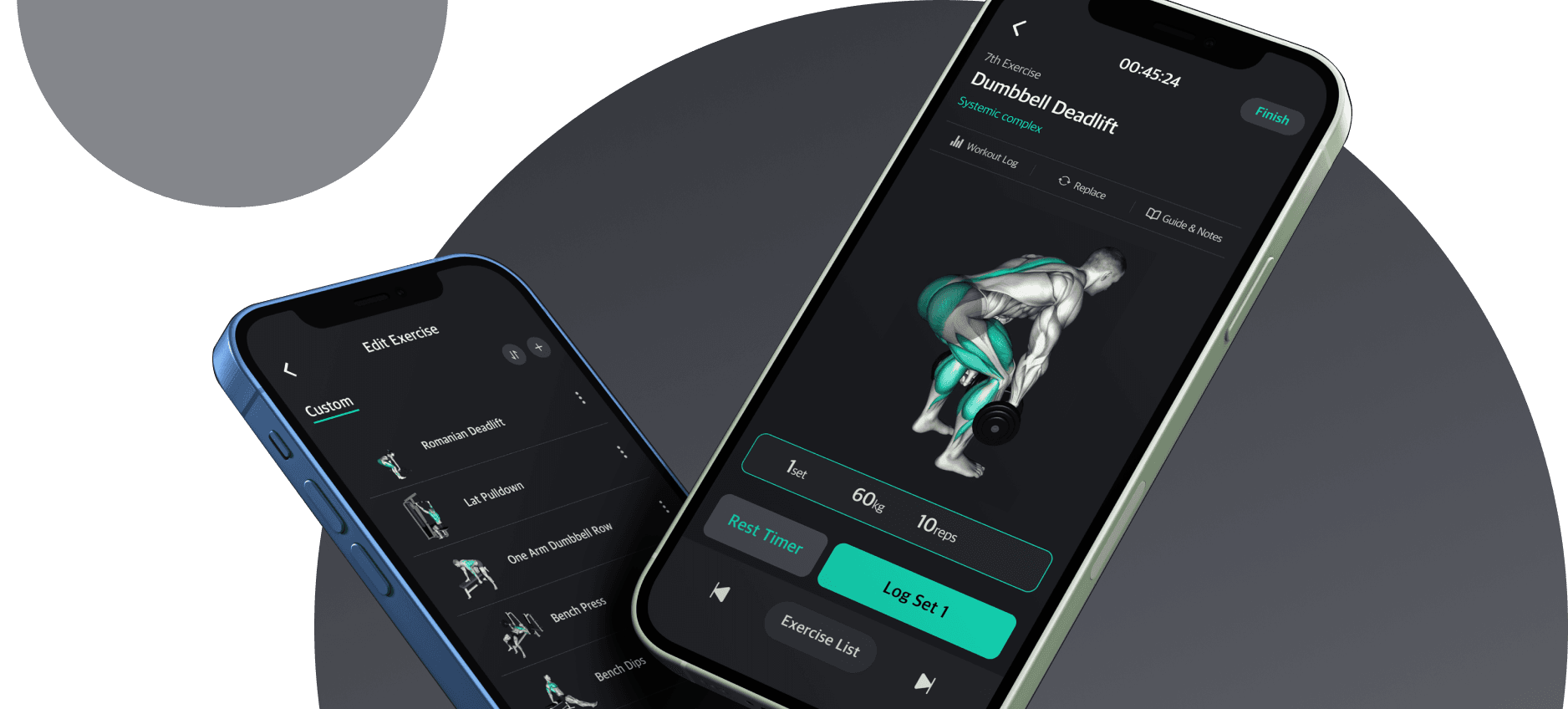
Get Personalized Plans
and More detailed guidance with Planfit
Banner Image
Planfit Logo

Copyright ⓒ 2026 Planfit Inc.

InstagramReddit
Exercise Guide
AI Workout Generator
Free Workout Plans
Privacy policy
Terms of Use
Blog