Planfit Logo
  • Exercises
  • Community
  • Blog
  • Sign in
Planfit Logo

Copyright ⓒ 2026 Planfit Inc.

InstagramReddit
Exercise Guide
AI Workout Generator
Free Workout Plans
Privacy policy
Terms of Use
Blog
Planfit Logo
  • Exercises
  • Community
  • Blog
  • Sign in

Leverage Squat

Leverage Squat gif
Targets: Glutes, Quads, Hamstring

About

Use the leverage machine to safely add weight to your squats

How to Leverage Squat

Starting Position

1. Enter the machine and secure your shoulders on the shoulder pads.

2. Stand with your feet shoulder-width apart, and turn your toes outward at about a 20-30 degree angle.

3. Hold the handles and keep your chest open while looking straight ahead.

Proper Form

1. Please bend your knees while pushing your hips back, starting from the hip joint.

2. Sit down until your thighs are close to parallel with the floor.

3. Push off the floor with the entire sole of your foot to stand up.

4. Please repeat until your knees and hip joints extend simultaneously to return to the starting position.

Breathing Technique

Breathe in while going down, and breathe out while coming up.

Precautions

1. Please keep your chest up to prevent your back from rounding.

2. Please adjust so that your knees do not go too far past your toes.

3. Rather than lifting excessive weight, please focus first on performing the movement correctly.

From the Community

Share your experience, ask questions, and get tips from other athletes.

Leverage Squat Community

Join the Community →

Leverage Squat Related Reading

  • 3 days a week is enough — and a J Strength Cond Res RCT of 32 athletes proves it works
    Numbers Don't Lie

    3 days a week is enough — and a J Strength Cond Res RCT of 32 athletes proves it works

    Wondering how many days a week to work out? 3 sessions gets the job done — per an RCT in J Strength Cond Res and exercise guideline reviews.

  • The trap bar deadlift isn't a shortcut — it's the smarter pull, backed by posterior-chain research
    What Actually Matters

    The trap bar deadlift isn't a shortcut — it's the smarter pull, backed by posterior-chain research

    Trap bar deadlift benefits go beyond 'easier on the back.' Here's what posterior-chain research and deadlift RCTs actually say about strength, safety, and power.

  • Progressive Overload Is the Only Variable That Actually Guarantees Muscle Growth.
    What Actually Matters

    Progressive Overload Is the Only Variable That Actually Guarantees Muscle Growth.

    Adding weight isn't the only way to progressively overload — reps work just as well, according to a 2024 RCT and an ACSM overview of 137 systematic reviews.

  • 3–5 sets of deadlifts per session is enough — what a 2022 RCT on 2 vs 5 sets found
    Numbers Don't Lie

    3–5 sets of deadlifts per session is enough — what a 2022 RCT on 2 vs 5 sets found

    Wondering how many sets of deadlifts to do? 3–5 working sets is the evidence-based sweet spot — according to a Sports Med meta-analysis and a 2022 RCT.

  • Sets per workout is the only training variable that reliably predicts muscle growth.
    Numbers Don't Lie

    Sets per workout is the only training variable that reliably predicts muscle growth.

    Wondering how many sets per workout you actually need? The answer is simpler than you think — according to a 2020 meta-analysis of 111 studies.

  • 3 minutes beats 1 minute — and the data on rest periods is clearer than you think.
    Numbers Don't Lie

    3 minutes beats 1 minute — and the data on rest periods is clearer than you think.

    Resting longer between sets builds more strength and likely more muscle. Here's exactly how long to rest, according to a 2024 Bayesian meta-analysis and two RCTs.

Curious about a Leg workout plan that includes the Leverage Squat

Leverage Squat Alternatives

Barbell Squat

Barbell Squat

Leg Extension

Leg Extension

More

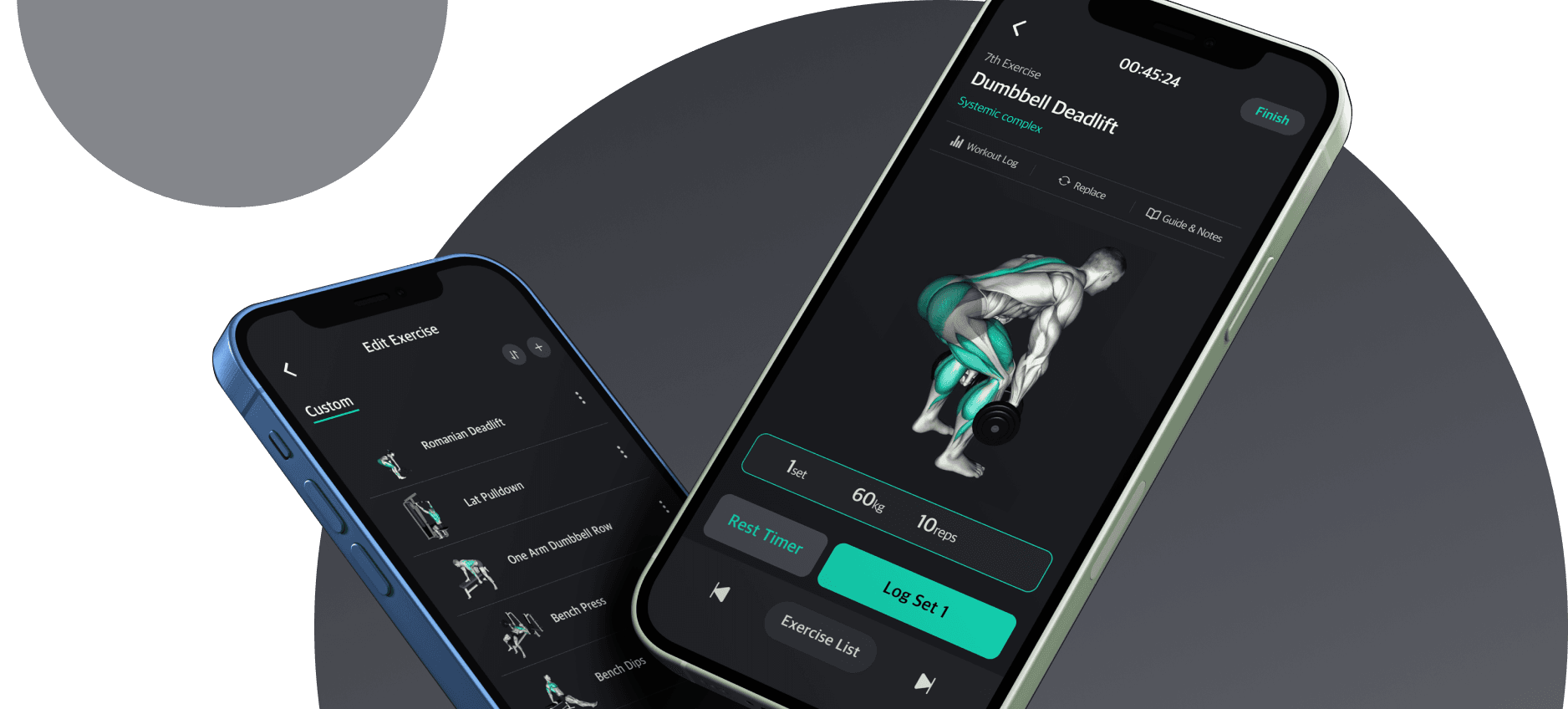
Get Personalized Plans
and More detailed guidance with Planfit
Banner Image
Planfit Logo

Copyright ⓒ 2026 Planfit Inc.

InstagramReddit
Exercise Guide
AI Workout Generator
Free Workout Plans
Privacy policy
Terms of Use
Blog