Planfit Logo
  • Exercises
  • Community
  • Blog
  • Sign in
Planfit Logo

Copyright ⓒ 2026 Planfit Inc.

InstagramReddit
Exercise Guide
AI Workout Generator
Free Workout Plans
Privacy policy
Terms of Use
Blog
Planfit Logo
  • Exercises
  • Community
  • Blog
  • Sign in

Belt Squat

Belt Squat gif
Targets: Glutes, Quads

About

Use a belt to reduce upper body strain and focus on your legs.

How to Belt Squat

Starting Position

1. Attach weights to the belt squat machine or the belt.

2. Place the belt above your hips, stand with your feet shoulder-width apart, and position yourself in the center.

Proper Form

1. Push your hips back and bend your knees to go down.

2. Sit until your thighs are close to parallel with the floor.

3. Push off the ground with your heels to stand up.

4. Repeat in the same rhythm.

Breathing Technique

Breathe in while going down, and breathe out while coming up.

Precautions

1. Make sure to position the weight well in the center so it doesn't sway back and forth.

2. Keep your back straight and your chest forward.

From the Community

Share your experience, ask questions, and get tips from other athletes.

Belt Squat Community

Join the Community →
Belt Squat Related Reading

  • Cardio before or after weights: why the order depends on your goal
    What Actually Matters

    Cardio before or after weights: why the order depends on your goal

    Do cardio before or after lifting? The answer depends entirely on your goal. Here's what the interference effect and a 2024 meta-analysis of 23 RCTs actually say.

  • Exercise does suppress appetite — but a muscle molecule, not willpower, is why (2016 meta-analysis)
    Myths Busted

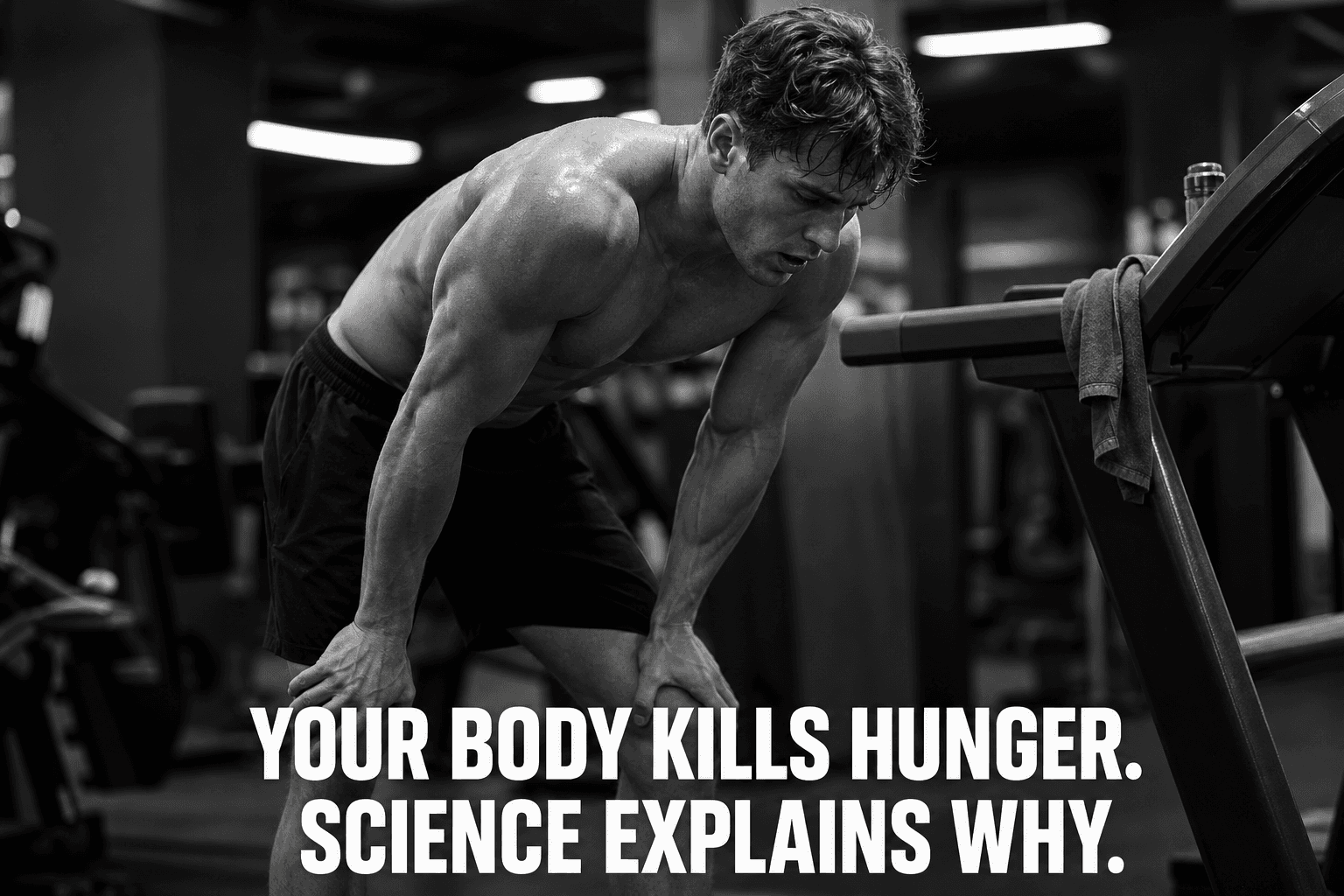
    Exercise does suppress appetite — but a muscle molecule, not willpower, is why (2016 meta-analysis)

    Does exercise make you eat less? Yes — but the mechanism is a molecule called Lac-Phe, not willpower. Here's what the research actually says, per a 2016 meta-analysis and a 2021 RCT.

  • RPE vs RIR: the number that tells you exactly how hard to push — backed by 4 RCTs
    Numbers Don't Lie

    RPE vs RIR: the number that tells you exactly how hard to push — backed by 4 RCTs

    RPE and RIR are two ways to measure effort in real time. Here's what 4 RCTs say about which one works, when, and for whom.

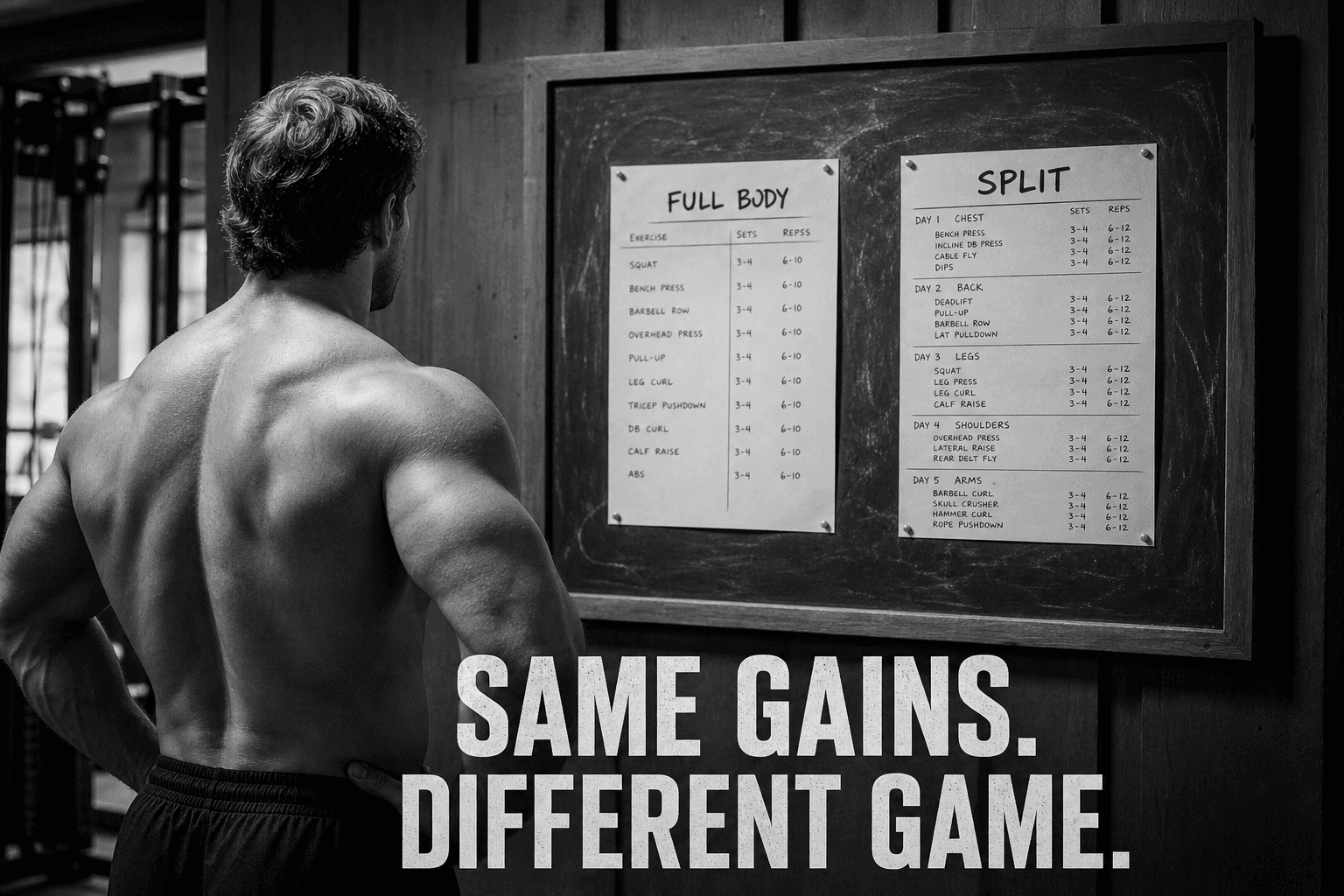
  • Full-body vs. split training: muscle and strength gains are the same — per a 2024 meta-analysis
    What Actually Matters

    Full-body vs. split training: muscle and strength gains are the same — per a 2024 meta-analysis

    Full-body or split? For muscle growth and strength, the answer is neither — they're equal, per a 2024 J Strength Cond Res meta-analysis of 14 studies.

  • 3 minutes beats 1 minute — and the data on rest periods is clearer than you think.
    Numbers Don't Lie

    3 minutes beats 1 minute — and the data on rest periods is clearer than you think.

    Resting longer between sets builds more strength and likely more muscle. Here's exactly how long to rest, according to a 2024 Bayesian meta-analysis and two RCTs.

  • Workout duration doesn't predict muscle growth — sets do, per a 2020 meta-analysis of 111 studies
    Numbers Don't Lie

    Workout duration doesn't predict muscle growth — sets do, per a 2020 meta-analysis of 111 studies

    Stop watching the clock. Muscle growth comes down to sets per workout, not minutes on the floor — according to a 2020 meta-analysis of 111 studies.

Curious about a Leg workout plan that includes the Belt Squat

Belt Squat Alternatives

Barbell Squat

Barbell Squat

Leg press

Leg press

More

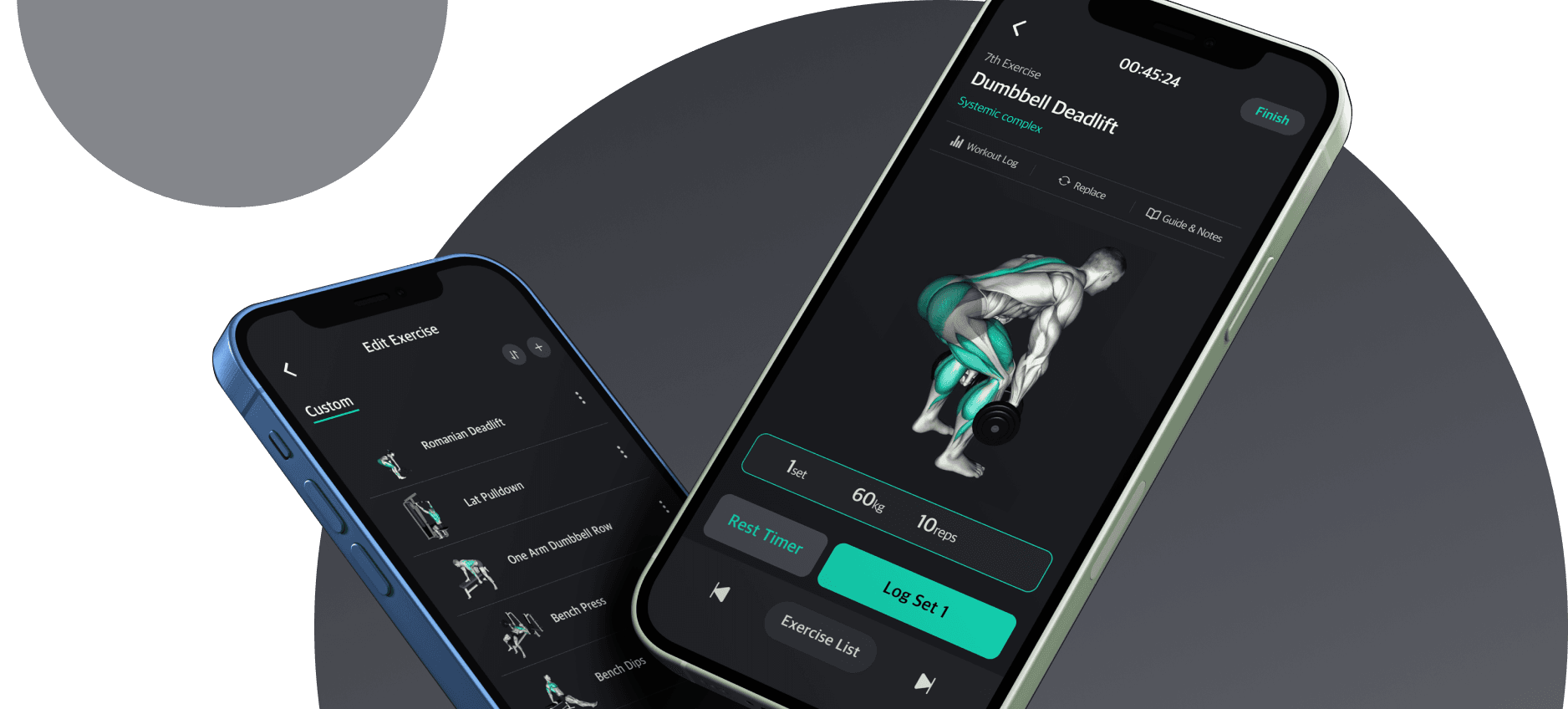
Get Personalized Plans
and More detailed guidance with Planfit
Banner Image
Planfit Logo

Copyright ⓒ 2026 Planfit Inc.

InstagramReddit
Exercise Guide
AI Workout Generator
Free Workout Plans
Privacy policy
Terms of Use
Blog